
U.S.-Iran conflict: Hormuz tensions heighten risks for shipping companies as vessels stranded in Persian Gulf without insurance cover
ADVERTISEMENT
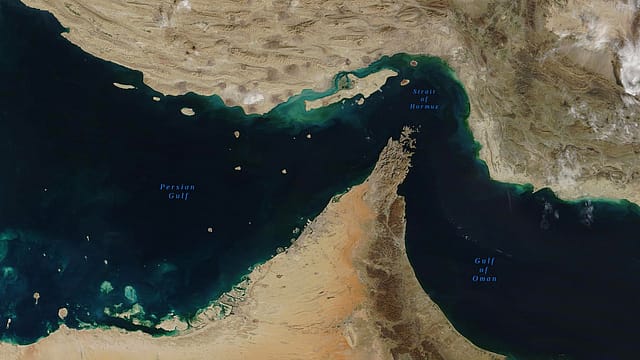
The escalating conflict around the Strait of Hormuz has sharply heightened risks for global shipping, with insurers worldwide, including India, cancelling war-risk covers and vessels stranded across the Persian Gulf facing mounting exposure, according to industry experts.
Iran has already announced the closure of the Strait of Hormuz and warned that it would open fire on any vessel attempting to pass through the strategic waterway, according to reports citing Iranian state media. The move marks Tehran’s strongest escalation yet, following signals over the weekend that it intended to block the critical oil export corridor in retaliation for recent military strikes.
Balasundaram R., Head – Marine Insurance at Policybazaar for Business, said the immediate concern extends beyond the Strait itself to hundreds of ships currently stuck across the Gulf waters.
War risk cover cancelled, buy-back at high premium
Responding to queries on whether Indian insurers would continue covering vessels transiting the region, Balasundaram said the entire Middle East, including the Red Sea and Persian Gulf, has long been classified as a high-risk zone, even before the latest hostilities.
“The war risk for this region was cancelled, but with a provision allowing shipping companies to reinstate it by paying an additional premium,” he said. The same applies to both hull and cargo insurance.
War-risk policies typically contain a seven-day cancellation clause, under which insurers can withdraw cover by giving notice. “Within seven days of such notice, the vessel must reach a safe shore. That’s the intent behind the clause. But this war broke out suddenly and caught everyone off guard,” he noted.
London-based insurers and reinsurers, the primary global market for marine war risks, have already begun issuing cancellation notices. Some markets may still offer war cover, but at sharply elevated premiums, which could rise to around 0.5% of the vessel’s hull value. However, with Iran declaring its intent to block the Strait, availability of cover remains highly uncertain.
“If the London market cancels, India will also cancel,” Balasundaram said, noting that GIC Re has already issued cancellation notices on certain hull policies.
Floating storage the bigger risk
The Strait of Hormuz, situated between Iran and Oman, is widely considered the world’s most vital oil transit route. It links major Gulf producers, including Saudi Arabia, Iraq, and the UAE, to international markets through the Gulf of Oman and the Arabian Sea. Nearly one-fifth of global daily oil consumption flows through the narrow channel, which is approximately 33 kilometres wide at its narrowest point.
It handles nearly 20% of global daily oil consumption, Balasundaram said the larger threat lies elsewhere. “The bigger risk is the floating storage,” he said, referring to the hundreds of oil-laden tankers anchored across the Persian Gulf.
Missile exchanges between Iran and Gulf nations, along with drone activity, have heightened the danger. Even debris from intercepted missiles could strike vessels, potentially causing catastrophic damage. “If such an incident occurs, there may be no cover available today,” he warned.
Indian exposure significant
India imports substantial volumes of crude oil and LNG from Gulf nations such as Qatar, and many of the vessels in the region are tankers. Companies such as the Shipping Corporation of India and Indian oil marketing companies like Indian Oil Corp . may have ships exposed in the area.
Balasundaram advised companies with significant exposure to secure war-risk cover wherever available, even at steep premiums. “It is not the time to take chances. Cover availability is minimal, but if companies are able to find protection, they should buy it,” he said.
Shipping through the Strait has slowed dramatically amid reported attacks on oil tankers. At least five vessels have reportedly been damaged, two crew members killed, and around 150 ships remain stranded near the waterway.
With war-risk insurance drying up and geopolitical tensions escalating, the crisis threatens to compound energy security concerns and shipping disruptions for India and the wider global economy.