
West Asia crisis, Hormuz disruption pose biggest energy shock on record; India growth seen slowing: Crisil
ADVERTISEMENT
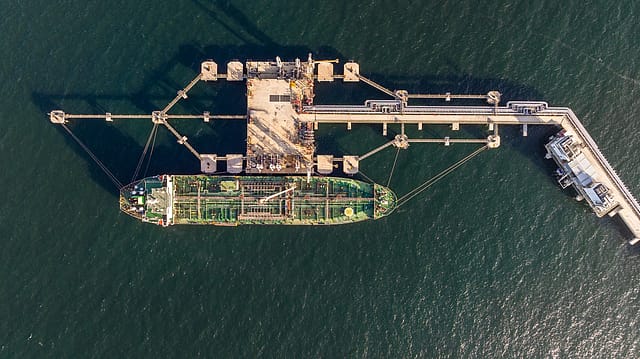
The prolonged conflict in West Asia and the effective closure of the Strait of Hormuz for over two months have triggered the “largest energy shock on record”, raising major downside risks for the Indian economy, according to a report by Crisil.
The report said the disruptions have begun to materially impact global trade, energy markets, and supply chains, with the fallout expected to weigh on India’s growth, inflation, external balances, and currency stability during fiscal 2027.
Crisil Intelligence has revised its Brent crude oil forecast upward to $90–95 per barrel for FY27 from its earlier estimate of $82–87 per barrel. The revised estimate is around 32% higher than average crude prices in FY26. “The downside risks to the economy have begun materialising with over two months of unresolved West Asia conflict,” the report said.
According to the report, the de facto closure of the Strait of Hormuz has severely disrupted oil and gas flows, amplifying supply shortages across global energy markets. Citing S&P Global data, Crisil noted that oil and derivative markets continue to face supply losses of at least 10% of global output.
Crude oil prices have remained above $100 per barrel since mid-March and crossed $110 per barrel in April despite ceasefire efforts. Diesel and jet fuel prices have also surged sharply across Asia and Europe.
Crisil said the disruption extends beyond energy markets to freight, insurance costs, fertiliser supplies, and global logistics chains, creating multidimensional risks for economies worldwide.
The report warned that even after transit through the Strait of Hormuz normalises, oil and gas markets may take considerable time to stabilise due to infrastructure damage, production constraints, vessel shortages and trade rerouting challenges.
Real GDP growth may slow to 6.6% in FY27
Against this backdrop, Crisil expects India’s real GDP growth to slow to 6.6% in FY27 from 7.6% in FY26.
The agency attributed the slowdown to elevated crude oil and commodity prices, weakening global demand, supply chain disruptions and the likelihood of below-normal monsoon rainfall linked to emerging El Niño conditions.
The report said manufacturing sectors dependent on imported inputs would remain particularly vulnerable due to higher energy and raw material costs.
Exports are also expected to face pressure as global growth weakens. S&P Global has revised down growth projections for the US and Eurozone to 1.9% and 0.6%, respectively, for calendar year 2026. Together, these regions account for 37% of India’s goods exports.
India’s exports to West Asia have already started slowing. Crisil noted that exports in March, the first full month after the escalation of the conflict, declined 7.4% year-on-year while exports to Saudi Arabia and the UAE fell 45.7% and 61.9%, respectively.
The report also flagged risks from below-normal rainfall due to El Niño conditions. The India Meteorological Department has projected rainfall at 92% of the long-period average this year, indicating weaker monsoon activity that could affect both kharif and rabi crop output.
Meanwhile, the US National Oceanic and Atmospheric Administration expects El Niño conditions to emerge between May and July and continue through at least the end of 2026.
Crisil expects Consumer Price Index-based inflation to rise sharply to an average of 5.1% in FY27 from 2% in FY26, driven by higher energy prices, rising transportation and logistics costs, supply chain disruptions and food inflation risks linked to weak rainfall.
Although retail petrol and diesel prices have remained stable so far due to government intervention, the report warned that persistent global crude price increases could eventually lead to higher pass-through to consumers. The report also projected India’s current account deficit to widen to 2.2% of GDP in FY27 from an estimated 0.8% in FY26, largely because of a rising oil import bill and weaker exports.
India’s oil trade deficit already accounted for 36% of the country’s total goods trade deficit in FY26, Crisil noted, adding that elevated gas and fertiliser prices could worsen the import burden further.
The agency also warned that remittance inflows from West Asia could slow if the regional economy weakens further. West Asia accounted for nearly 38% of India’s total remittance inflows in FY24, according to Reserve Bank of India data.
On the currency front, Crisil expects the rupee to average 93.5 against the US dollar by March 2027 compared with 92.8 in March 2026, amid heightened volatility and foreign capital outflows from emerging markets.
The report projected the benchmark 10-year government bond yield to rise to 7% by March 2027 from 6.7% a year earlier, citing pressure on government finances, tighter global financial conditions and persistent inflationary risks.