
WTO Ministerial begins in Cameroon, fate of moratorium on digital tax to be decided
ADVERTISEMENT
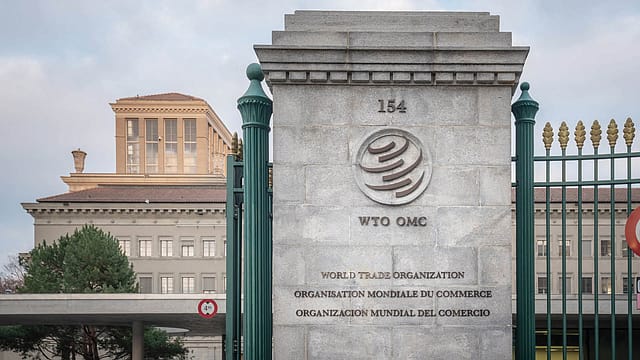
Will the trade ministers from 166 member countries and economies of the World Trade Organisation (WTO) decide to tax global digital trade as they meet for WTO’s 14th Ministerial Conference (MC14) in Yaoundé, Cameroon this week?
The MC14 happening during March 26-29 will have to take a call on this issue as the current moratorium on customs duties on electronic transmissions (CDET) agreed by WTO members will expire on March 31.
The e-commerce moratorium, in place since 1998, bans Customs duties on electronic transmissions and is estimated to be causing significant tariff revenue losses for developing countries. India has consistently advocated for an end to this moratorium.
According to civil society organisation Third World Network (TWN), in the year 2020 alone, tariff revenue losses on account of this moratorium was to the tune of $ 1.5 billion for India, $ 3.6 billion for Thailand and $ 1.2 billion for Nigera, to mention a few.
“Most of the beneficiaries of this moratorium are developed countries as 76% of the exports of products which benefit from this moratorium (e.g. movies, music, computer software etc) are from developed countries and 18% are from China. All the least developed countries (LDCs) and the rest of the developing countries in the WTO export 5% of these products (and non-WTO Members export 1% of them)”, said Sanya Reid-Smith, Senior Researcher and Legal Advisor, TWN. “Developing countries are told to use other taxes instead of tariffs but US Agreements on Reciprocal Trade prevent digital services taxes, value added taxes etc being imposed on US companies”.
Incidentally, the U.S., EU, and others argue that they want the moratorium made permanent to support innovation and reduce trade costs. Ajay Srivastava, founder of Delhi based think tank Global Trade Research Initiative (GTRI) says the real reason behind the interest of developed countries to ensure continued ban on digital trade tax is to make sure tax free future for the US tech firms as digital economy is set to expand from $16 trillion to $50 trillion in next 2 decades with advent of artificial intelligence (AI). “Developed nations charge heavy import duties and keep many restrictions on agriculture imports but want others to keep digital trade duty free and restriction free”, Srivastava said.
The position maintained by India and other developing countries have been that tariffs remain essential for digital industrialization and job creation. “Estimated revenue losses for developing economies will increase as business shifts to digital. For India, the issue is about preserving policy space and avoiding a widening digital divide, not just revenue loss. A key dispute at WTO is also definitional—there is no clarity on what constitutes “electronic transmissions” or whether services are included”, Srivastava said.
TWN’s Sanya Reid-Smith points out that the discussions of the trade ministers at MC14 will be to see whether to renew the moratorium and if so whether it should be permanent or until the next Ministerial Conference of the WTO ministers two years later. In case of another extension the ministers will have to decide the nature of the moratorium.