
Airlines must offer 60% seats free to select, no blanket seat selection charges: Civil Aviation Minister Ram Mohan Naidu
ADVERTISEMENT
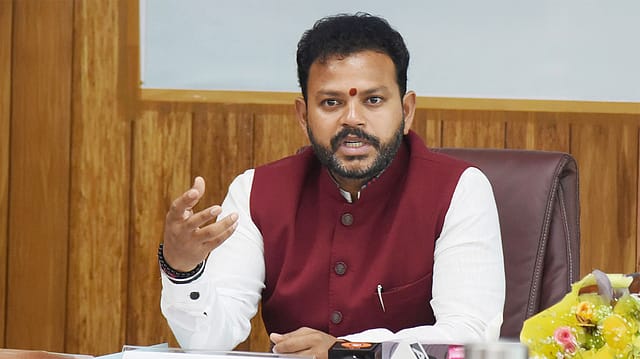
Union Civil Aviation Minister Kinjarapu Ram Mohan Naidu has directed airlines to offer at least 60% of seats on every domestic flight free of seat selection charges, marking a decisive intervention in how carriers price seat selection amid growing passenger dissatisfaction.
The instruction, issued to airlines and the Directorate General of Civil Aviation (DGCA), seeks to end the practice of blanket charges for choosing seats during ticket booking—a model that has steadily expanded across the industry.
“When you're booking a ticket, no matter where you want to select a seat, you have to pay additional amount. That is not going to happen,” the minister said, underlining the government’s intent to make pricing more transparent and passenger-friendly.
Passenger feedback drives policy shift
The move comes after sustained feedback from travellers who flagged how seat selection fees—once limited to premium or extra legroom rows—have increasingly been extended to standard seats. This has often led to higher effective ticket prices, particularly for families or groups wanting to sit together.
“We have taken feedback from passengers… where they've talked about how the fare system in the purchase of seats was slightly pinching them at different levels,” Naidu said, adding that the decision was shaped by inputs gathered across airports and direct passenger interactions.
The directive mandates that a majority of seats—60%—must be available without any additional charge, effectively setting a new baseline for what constitutes a standard airfare in India’s domestic aviation market.
Balancing affordability with airline economics
The intervention builds on the government’s broader push to make air travel more accessible, anchored by initiatives such as the UDAN scheme. Launched under Prime Minister Narendra Modi, the programme has significantly expanded regional connectivity and brought first-time flyers into the system.
“Civil aviation is all about the passengers and the ease of flying… we wanted to create more interventions in passenger services,” the minister said, pointing to parallel efforts such as affordable food counters at airports and improved passenger amenities.
For airlines, however, the move could trigger a reset in pricing strategies. Ancillary revenues—including seat selection, baggage, and priority services—have become critical to profitability, especially in a price-sensitive market where base fares are tightly contested.
By capping the scope of seat selection charges, the government is effectively nudging carriers to rebalance costs, potentially integrating some of these into base fares rather than relying on add-ons.
Clear signal on ancillary charges
The DGCA has previously stepped in to protect specific passenger categories from being charged for seat allocation. The new 60% rule significantly expands that principle, marking one of the most assertive regulatory moves yet on ancillary pricing.
“We have gone ahead with the decision that 60% of the seats on every aircraft… has to be offered free of charge,” Naidu said, calling it a necessary step to address widespread passenger concerns.
With domestic air traffic continuing to grow, the directive signals a sharper focus on consumer protection in aviation—ensuring that affordability is not diluted by hidden or unavoidable charges.