
Budget 2026: Defence allocation jumps 15% to ₹7.8 lakh crore, modernisation gets big push
ADVERTISEMENT
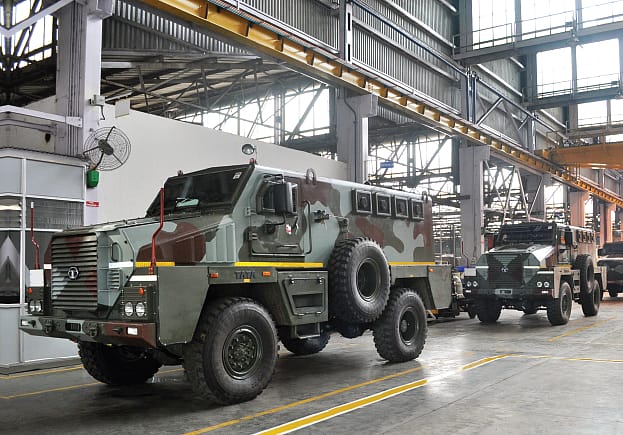
The Centre has allocated ₹7.8 lakh crore to the defence ministry for 2026–27, marking a 15% increase over the previous year. Of this, ₹2.19 lakh crore has been set aside for the modernisation of the armed forces under the capital outlay budget.
The capital outlay has seen a sharp rise of 21.84%, increasing from ₹1.80 lakh crore in FY25-26 to ₹2.19 lakh crore in FY26-27. This higher allocation comes as the defence ministry prepares for major projects, including contracts for Rafale fighter jets, submarines, and unmanned aerial vehicles.
The Defence Services (Revenue) budget has been allocated ₹3,65,478.98 crore, while capital outlay has received ₹2,19,306.47 crore, reflecting increases of 17.24% and 21.84%, respectively. The allocation for defence pensions has also gone up, with the Centre earmarking ₹1,71,338.22 crore.
However, the Defence Budget (Civil) has been slightly reduced by 0.45% compared to last year’s allocation of ₹28,554.61 crore.
To support the defence manufacturing ecosystem, Sitharaman announced a customs duty exemption, saying, “It is proposed to exempt basic customs duty on raw materials imported for the manufacture of parts of aircraft to be used in maintenance, repair or overall requirements by units in the defence sector.”
Separately, addressing concerns related to US tariffs, the finance minister proposed reducing the tariff rate on all dutiable goods imported for personal use from 20% to 10%.
In another move aimed at boosting exports and supporting the seafood industry affected by US tariffs, Sitharaman proposed increasing the limit for duty-free imports of specified inputs used for processing seafood for export from one per cent to three per cent of the previous year’s FOB export turnover.
She said, “I propose to increase the limit for duty-free imports of specified inputs used for processing sea foods for export from the current one per cent to three per cent of the FOB value of the previous year’s export turnover. I also propose to allow duty-free imports of specified inputs, which is currently available for exports of leather or synthetic footwear to exports of shoe uppers as well.”
The Finance Minister also proposed a basic customs duty exemption on capital goods used for manufacturing lithium-ion cells for batteries and critical minerals, giving a further push to domestic manufacturing and clean energy goals.