
Ganga Expressway to become ₹46,660 crore integrated manufacturing corridor across 12 Uttar Pradesh districts
ADVERTISEMENT
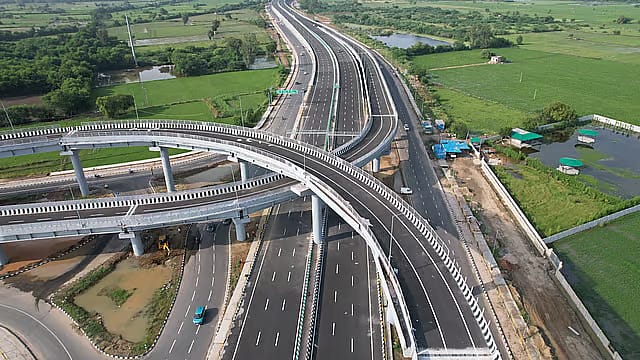
The Ganga Expressway, one of Uttar Pradesh’s most ambitious infrastructure projects, is emerging as a major economic corridor alongside its upcoming inauguration by Prime Minister Narendra Modi on April 29 in Hardoi. Developed under the Yogi Adityanath government, the 594-km stretch from Meerut to Prayagraj is designed to significantly improve east–west connectivity, linking 12 districts and over 500 villages across the state.
The expressway is expected to reduce travel time, improve freight movement, and strengthen economic linkages between agricultural regions and urban markets. Beyond its transport role, the project is being expanded into a structured industrial development framework aimed at long-term economic transformation.
From Connectivity Corridor to Industrial Growth Belt
Building on its infrastructure foundation, the Ganga Expressway is being developed as an Integrated Manufacturing and Logistics Cluster (IMLC), transforming a transport corridor into a planned industrial ecosystem.
Under the Uttar Pradesh Expressways Industrial Development Authority (UPEIDA), 12 industrial nodes are being created along the 594-km stretch, covering 6,507 acres of identified land. Each node has been strategically designed based on regional strengths to ensure balanced industrial development across western, central, and eastern Uttar Pradesh.
This model integrates road infrastructure with manufacturing, warehousing, logistics, and supply chain networks, effectively creating a continuous economic growth belt along the expressway.
₹46,660 crore investment pipeline across 12 districts
Investor interest in the corridor has been strong, with 987 Expressions of Interest received so far, collectively worth ₹46,660 crore. The government is targeting close to ₹47,000 crore in investments across manufacturing units, logistics parks, warehousing hubs, e-commerce supply chains, and agro-processing clusters.
This early momentum underscores the expressway’s positioning as a major industrial destination in northern India.
Strategically Distributed Industrial Nodes
The 12 industrial nodes span Meerut, Hapur, Bulandshahr, Amroha, Sambhal, Badaun, Shahjahanpur, Hardoi, Unnao, Raebareli, Pratapgarh, and Prayagraj. Bulandshahr hosts the largest cluster at 2,798 acres, while other nodes are distributed based on land availability and industrial suitability.
The decentralised planning approach is aimed at reducing regional disparities and ensuring that industrial growth is evenly spread across the corridor.
The IMLC framework is expected to significantly reduce logistics costs, improve supply chain efficiency, and enhance the competitiveness of manufacturing operations in the state. Faster movement of goods is also expected to benefit farmers by improving market access and price realisation.
By integrating expressway infrastructure with industrial development, the Ganga Expressway is being positioned as a key driver in Uttar Pradesh’s transition toward a manufacturing and logistics-led growth economy.