
India-Oman CEPA unlocks zero-duty imports, boosts opportunities for Indian professionals
ADVERTISEMENT
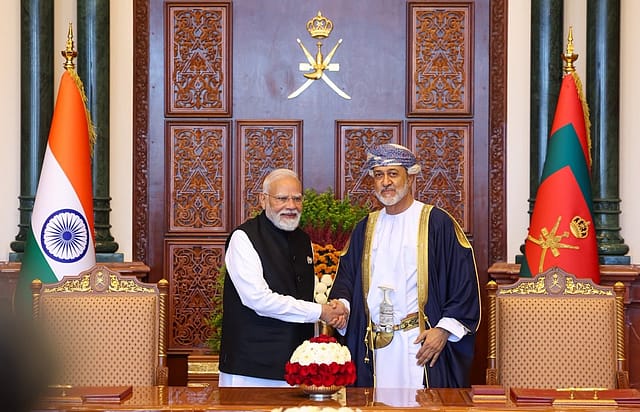
The Comprehensive Economic Partnership Agreement (CEPA) signed between India and Oman today is expected to boost export opportunities in textiles, leather, footwear, gems and jewellery, engineering products, plastics, furniture, agricultural products, pharmaceuticals, medical devices and automobiles, while also opening up significant bilateral investment opportunities.
In its first bilateral free trade agreement with any country since the United States FTA in 2006, Oman has granted unprecedented market access to Indian goods, offering zero-duty access on 98.08% of its tariff lines, covering 99.38% of India’s exports to Oman by value.
Indo-Omani trade is currently valued at over $10 billion, with more than 6,000 Indian establishments operating across sectors in Oman. Nearly 7 lakh Indian nationals reside in the country, and their annual remittances to India amount to around $2 billion. The CEPA allows 100% foreign direct investment by Indian companies in major services sectors in Oman through commercial presence. In the future, both countries will hold discussions on social security coordination once Oman’s contributory social security system is implemented.
Kirit Bhansali, Chairman of the Gem & Jewellery Export Promotion Council (GJEPC), said the FTA has the potential to increase gem and jewellery exports from $35 million in 2024 to around $150 million over the next three years. “It opens opportunities for polished diamonds and gold jewellery, while creating new avenues in silver, platinum and imitation jewellery,” he said.
“Since textiles represent a significant portion of total Indian exports, the FTA will create preferential access to Omani textile markets by allowing Indian textile producers to sell products at lower costs than previously,” the India Brand Equity Foundation (IBEF) said.
India is offering tariff liberalisation on 77.79% of its total tariff lines (12,556), covering 94.81% of India’s imports from Oman by value. For products of export interest to Oman that are sensitive for India, the offer is largely based on tariff-rate quota (TRQ) liberalisation.
However, sensitive products have been placed in the exclusion category by India without any concessions. These include agricultural products such as dairy, tea, coffee, rubber and tobacco; gold and silver bullion and jewellery; other labour-intensive products such as footwear and sports goods; and scrap of several base metals.
Services, professionals to benefit
Oman’s global services imports amount to $12.52 billion, of which India’s share is 5.31%.
Oman has offered an increase in the quota for intra-corporate transferees from 20% to 50%, along with a longer permitted duration of stay for contractual service suppliers—extended from the existing 90 days to two years, with the possibility of a further two-year extension. The agreement also provides for more liberal entry and stay conditions for skilled professionals in key sectors such as accountancy, taxation, architecture, medical and allied services, enabling deeper and more seamless professional engagement. Oman has also opened doors for India’s AYUSH and wellness sectors to showcase their strengths in the Gulf region.
The agreement further covers cooperation in computer-related services, business and professional services, audiovisual services, research and development, education and health services. This is expected to promote high-value job creation and support expanding commercial engagement between the two countries.