
What are India’s alternative oil import sources if the Strait of Hormuz remains blocked?
ADVERTISEMENT
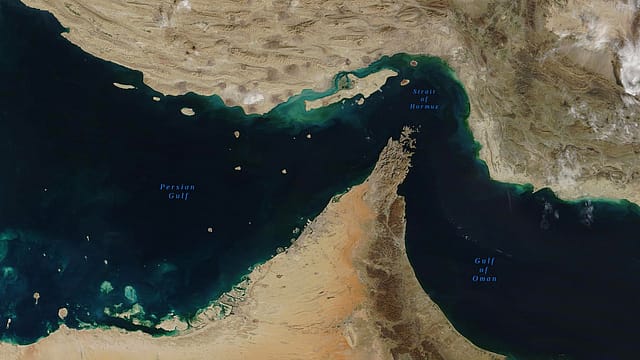
After the US and Israel jointly launched a strike on Iran on Saturday (28 Feb), tensions in West Asia have sharply escalated. In response to the attacks, Iran hit back, targeting the US bases in the region and its allies. As a result, several vessels were reportedly struck in and around the Strait of Hormuz. This waterway is one of the world’s most critical energy routes. Shipping traffic through the narrow channel between Iran and Oman has slowed to a near halt. Nearly a fifth of global oil consumption and large volumes of gas pass through it every day. For India, the stakes are high because around 40% of its crude oil imports move through this route.
The big question for India is what alternative routes and sourcing options are available if the Strait of Hormuz remains blocked for an extended period. Let’s understand it with Fortune India Explainer here.
Where India stands right now
India refines about 5.6 million barrels of crude oil per day, and roughly 40% of its crude imports pass through Hormuz. According to the media reports, citing government sources, India currently has around 25 days of crude oil inventory. In addition, refiners are holding about 25 days of petrol, diesel and LPG stocks. Taken together, India has close to eight weeks of crude oil and petroleum products inventory.
Officials say India remains in a comfortable position for now in terms of crude oil, LPG and LNG, and the government is closely monitoring the evolving situation. The view within the government is that if one supply window closes, another can be opened.
However, the situation is tighter for natural gas. India’s largest LNG supplier, Qatar, has halted production for now. If supplies do not resume in the next few days, India may need to source LNG cargoes from alternative markets. Some industrial gas supplies have already been reduced as a precaution.
Why the Strait matters so much
The Strait of Hormuz connects the Persian Gulf to the Arabian Sea and acts as a gateway for major oil producers in the region. If it remains blocked for more than 10 to 15 days, global oil prices could rise sharply. Shipping insurance and freight rates are also likely to increase, which would push up the landed cost of crude for India. Delays in deliveries to Indian refineries could follow if vessels are unable or unwilling to transit the route.
That is why India is actively working on backup options.
Russia as a key alternative
Russia has already emerged as one of India’s largest crude suppliers in recent years. Russian oil shipments do not depend on the Hormuz route. Tankers can reach India through the Suez Canal or by sailing around Africa’s Cape of Good Hope into the Indian Ocean. This makes Russia one of the most practical alternatives if Gulf supplies are disrupted. India continues to import Russian crude under existing contracts, although purchases had been moderated in recent months due to geopolitical and trade considerations.
The United States and the Americas
The United States, along with Brazil, Colombia and Venezuela, can also supply crude that does not pass through Hormuz. While the voyage from the Americas is longer and therefore more expensive, it gives India diversification and reduces dependence on one sensitive maritime chokepoint.
West Africa as a fallback option
Producers such as Nigeria and Angola export crude that can be shipped to India via the Atlantic Ocean and around the southern tip of Africa. Indian refiners are familiar with these grades, which makes scaling up imports from this region a workable short-term solution if needed.
Bypass routes within the Gulf
Some Gulf producers have built infrastructure that allows partial bypass of Hormuz. Saudi Arabia operates an East–West pipeline that transports crude from its eastern oil fields to ports on the Red Sea. Similarly, the United Arab Emirates can move crude to Fujairah on the Gulf of Oman side, reducing reliance on the narrowest section of the strait. These routes cannot fully replace the massive volumes that normally flow through Hormuz, but they can ease some pressure if the disruption continues.
Strategic reserves and stock management
India can also tap into its strategic petroleum reserves if required. Combined with refinery inventories, this provides a buffer that gives policymakers time to arrange alternative cargoes. Refiners may also reshuffle supply contracts and increase spot purchases from non-Hormuz suppliers to maintain stable operations.
What this means for consumers
At the moment, there is no immediate supply crisis. Stocks are adequate, and supply lines are being actively reviewed. However, if the disruption continues for several weeks, import costs could rise and put pressure on domestic fuel prices. Gas availability for certain industries may also tighten if LNG supplies remain constrained.