
India to remain fastest-growing major economy despite global risks: RBI bulletin
ADVERTISEMENT
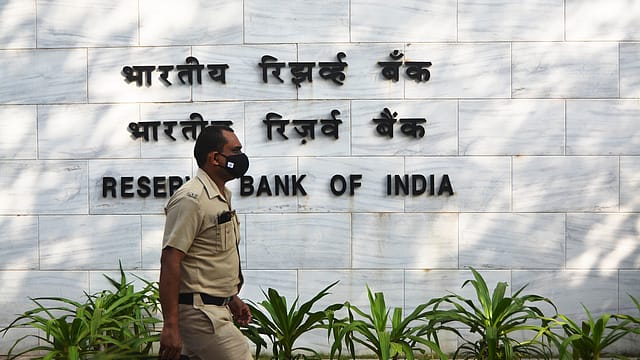
The current state of the Indian economy provides strong grounds for optimism, with the country set to remain the world’s fastest-growing major economy despite elevated geopolitical risks and global policy uncertainty, the Reserve Bank of India (RBI) said in its January bulletin released on Wednesday.
Heightened geopolitical tensions
According to an article in the bulletin, the year 2026 has begun against the backdrop of heightened geopolitical tensions, including the US intervention in Venezuela, the prolonged conflict in the Middle East, uncertainty over a Russia–Ukraine peace agreement, and escalating tensions over Greenland. These developments, the RBI noted, point to continued geo-economic risks and policy uncertainty in the global environment.
“Even amidst these global uncertainties, the current state of the economy provides ground for optimism going forward. The GDP growth estimates for 2025–26 indicate that India will remain the fastest-growing major economy in the world,” the bulletin said.
Global growth remained resilient through 2025 despite elevated uncertainty, which showed further moderation in December. The first advance estimates of India’s real GDP growth for 2025–26 underline the resilience of the domestic economy, largely supported by strong internal drivers even as the external environment remains challenging.
High-frequency indicators for December suggest that growth impulses continue to be buoyant, with demand conditions remaining robust. Headline consumer price inflation edged up during the month but stayed below the lower tolerance threshold, offering comfort on the inflation front.
The RBI noted a significant improvement in the flow of financial resources to the commercial sector over the past year, driven by contributions from both bank and non-bank sources. During 2025–26 so far, up to December 31, total financial flows to the commercial sector rose to ₹30.8 lakh crore, compared with ₹21.3 lakh crore in the same period a year earlier.
Non-bank sources, including corporate bond issuances and foreign direct investment (FDI), recorded a marked increase. As of December 31, 2025, total outstanding credit to the commercial sector rose by 15%, with non-bank credit growing at a faster pace of 16.4%.
Diversify exports to mitigate external sector risks
The bulletin also highlighted India’s efforts to diversify and strengthen exports to mitigate external sector risks. India is currently engaged in trade negotiations with 14 countries or country groups, representing nearly 50 nations, including the European Union, the Gulf Cooperation Council and the US. In December 2025, India concluded trade negotiations with New Zealand and Oman.
Rupee depreciation
On the external front, the RBI said the Indian rupee depreciated in December amid foreign portfolio outflows and uncertainty over the India–US trade deal, though currency volatility remained lower than that of most major peers.
FDI inflows
FDI inflows during April–November 2025 remained higher than a year ago in both gross and net terms, though net FDI turned negative in November for the third straight month due to higher repatriation.