
Middle East crisis manageable in short term; Hormuz disruption for longer duration to hurt Indian companies: India Ratings
ADVERTISEMENT
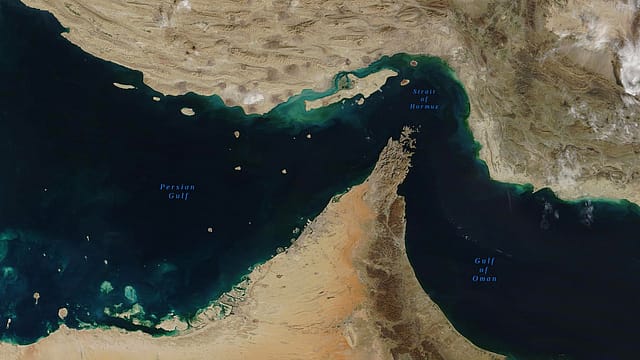
India Ratings and Research (Ind-Ra) said the overall economic impact of the conflict between Iran and the US allies on India is expected to be limited, unless the disruption is prolonged. The agency also said prolonged closure of the Strait of Hormuz will hurt Indian companies involved in international trade.
“In the short term, the effects are likely to be observed mainly through higher prices for crude oil and petroleum products. Ind-Ra does not foresee an immediate supply shock, as most corporations have adequate inventories,” the ratings agency said in a release.
“However, if the Strait of Hormuz were to close for an extended period, it could lead to increased costs for fuel, freight, and insurance, longer transit times, and affect the margins and working capital of Indian corporations involved in international trade. However, Ind-Ra notes that volumes are unlikely to be affected unless there is a significant downturn in global demand,” the agency said. It may be noted that Iran has announced blocking of the Strait of Hormuz earlier today. The strait accounts for about 20% of the global oil supplies.
Rupee may weaken further: India Ratings
The agency said Rupee may weaken further as remittances from Gulf nations are high.
“The Indian Rupee may weaken further as the proportion of GCC in India’s remittances is highest, and a prolonged period of conflict may impact remittance inflow into India. The short-term impact would be increase in commodity prices and some supply disruption. Overall, the impact depends on how long conflict will continue”, says Devendra Pant, Chief Economist, Ind-Ra.
Near term supply shock unlikely, logistics costs to increase
The agency said there is minimal risk of immediate supply shocks due to adequate inventory levels across most sectors. However, if the conflict persists without a near-term resolution, companies could experience a higher cost structure as fuel, insurance, and ocean freight charges rise sharply, along with longer transit times that could strain margins and working capital.
Should the conflict extend beyond two-to-three months, supply challenges may arise for companies and industries sourcing inputs from Middle Eastern countries or relying on affected trade routes in the region.
“The impact on account of closure of Strait of Hormuz is likely to be temporary. However, in the event of a long-term closure, it is likely that ships will have to take a longer route through the Cape of Good Hope. This could lead to input cost escalation through: a rise in the freight cost by 3%-5%, assuming around 10% increase in bunker fuel costs is fully passed on; longer voyage time and the associated freight costs; (c) increased insurance premiums ranging from 0.1%-0.5%; and additional costs such as war insurance premium, which have historically spiked during such supply chain disruptions. Overall, logistics costs of imports and exports are likely to increase, though volumes are unlikely to be affected based on past experiences,” said Prashant Tarwadi, director, corporates, Ind-Ra.
From oil to Chabahar: Indian investments face uncertainty after US–Israel strikes on Iran
Oil price spike key risk for oil-sensitive sectors:
The agency said given India’s import dependency on crude oil (approximately 88%-90%), the primary risk to corporations arises from a potential oil supply shock leading to a spike in crude oil prices.
“Following the attack on Iran, Brent crude prices surged to $77-80 per barrel as on 2 February 2026. Ind-Ra highlights that rising commodity costs impacting corporate profit and loss statements could affect sectors such as paints, chemicals, aviation, and oil refineries,” a release said.
“However, the impact on the chemical sector will depend on the specific spreads and demand-supply dynamics due to the diverse nature of chemicals. Conversely, sectors like defense may benefit from increased order flows,” it added.