
Iran’s attack on Saudi Aramco: How it is a threat to global energy security
ADVERTISEMENT
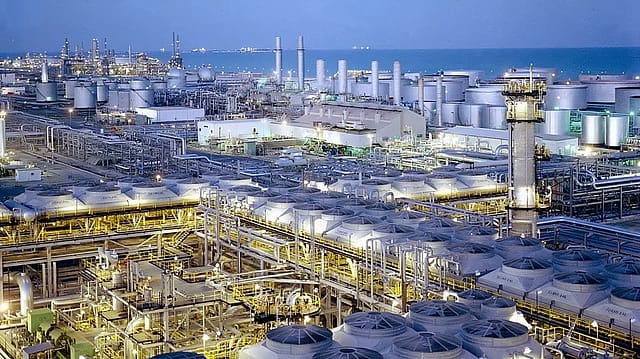
Iranian drone Shahed-136 had reportedly hit the Saudi Aramco oil refining complex at Ras Tanura early Monday, targeting one of Saudi Arabia’s most important energy hubs. The strike prompted a temporary shutdown of the facility and sparked a small fire that officials described as limited and quickly controlled.
According to media reports and official statements, drones targeted the Ras Tanura facility on the Gulf coast, prompting operator Saudi Aramco to temporarily halt refinery operations to assess the situation. Saudi authorities said at least two drones were intercepted and destroyed before they could cause major damage.
What happened
Saudi defence officials said unmanned aerial vehicles aimed at the refinery were shot down. State television quoted defence ministry spokesperson Turki Al-Malki as confirming that the drones had been neutralised. Reports also suggested that one drone may have triggered a limited fire at the site, which was quickly brought under control. No casualties were immediately reported.
The incident comes amid a sharp escalation in regional hostilities following the reported killing of Iran’s Supreme Leader, Ali Khamenei, and Tehran’s subsequent retaliatory actions across the Gulf.
Why ras Tanura matters
Ras Tanura is not just another refinery. It is one of the largest and most strategically important oil hubs in the world.
Located in Saudi Arabia’s Eastern Province, the complex has refining capacity of about 550,000 barrels per day. It also functions as a major export terminal, loading crude onto tankers destined for Asia, Europe and the United States. A significant share of Saudi oil exports passes through this corridor.
Because of its scale and integration of storage tanks, pipelines and port infrastructure, even a brief disruption can raise concerns about global supply. Markets tend to react quickly to any threat involving such critical infrastructure.
Market reaction
Oil traders responded swiftly. Brent crude futures jumped around 10% in early trading, reflecting fears that a broader regional conflict could disrupt supply routes.
The anxiety is not limited to Saudi Arabia. Reports indicate that shipping activity has slowed in parts of the United Arab Emirates and Oman. In Iraq’s Kurdistan region, oil production was reportedly paused over the weekend as a precautionary measure.
While Saudi officials have indicated that the immediate threat was contained, investors remain wary of further escalation.
A pattern of targeting energy assets
Saudi energy infrastructure has faced attacks before. In 2019, drone and missile strikes on key facilities at Abqaiq oil processing facility and Khurais oil field temporarily cut more than half of the kingdom’s oil output, sending global crude prices sharply higher.
Ras Tanura itself was the target of an attempted strike in 2021, which authorities described at the time as an attack on global energy security.
Bigger picture
The latest incident underlines how closely energy markets are tied to geopolitical developments in the Gulf. Even when physical damage is limited, the risk of disruption can push prices higher as traders factor in the possibility of supply shocks.
For now, much depends on whether tensions ease or expand further across the region. With key export routes and energy assets under threat, oil markets are likely to remain volatile in the days ahead.