
India's crude steel output rises to 170.15 MT in FY26, finished steel consumption climbs to 164.36 MT in five years: Govt
ADVERTISEMENT
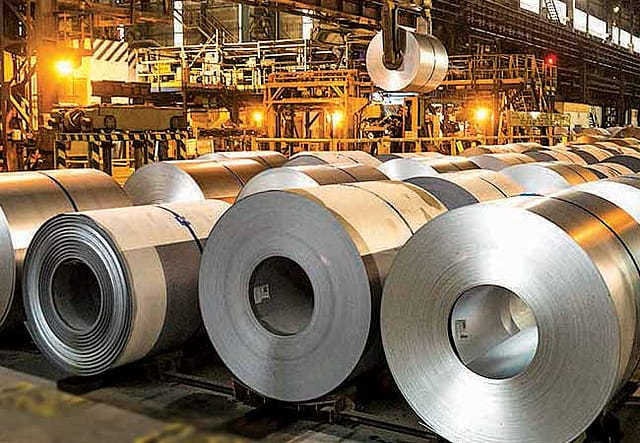
India's steel industry has posted strong growth over the past five years, with crude steel production rising by over 41% and finished steel consumption expanding by more than 55%, according to the Ministry of Steel. The government also said the share of imports in domestic steel consumption has declined over the period, reflecting improving domestic capacity and the industry's growing ability to meet rising demand.
Replying to an unstarred question in the Rajya Sabha, Minister of State for Steel Bhupathiraju Srinivasa Varma said crude steel production increased from 120.29 million tonnes (MT) in 2021-22 to 170.15 MT in 2025-26, while finished steel consumption rose from 105.75 MT to 164.36 MT during the same period. The figures underline the sustained expansion of India's steel sector, driven by higher infrastructure spending, manufacturing activity and rising domestic demand.
Finished steel imports lose share as domestic production strengthens
The government told Parliament that it continues to closely monitor steel imports and their impact on the domestic industry. According to the minister, imports as a percentage of finished steel consumption declined from 4.42% in 2021-22 to 3.97% in 2025-26, signalling that domestic producers have been able to cater to a larger share of India's growing steel demand.
The moderation in import dependence comes even as the domestic steel market continues to expand, with higher consumption across infrastructure, construction, engineering and manufacturing sectors supporting production growth.
Specialty steel PLI attracts over ₹26,000 crore investment
On measures to promote specialty steel production, Varma said the steel sector remains deregulated, with investment decisions being taken by individual companies based on techno-commercial considerations. The government's role, he said, is to facilitate the sector's growth by creating a conducive policy environment.
To encourage domestic manufacturing of value-added specialty steel, reduce import dependence and enhance global competitiveness, the Centre is implementing the Production Linked Incentive (PLI) Scheme for Specialty Steel with an outlay of ₹6,322 crore. As of June 2026, participating companies had invested about ₹26,320 crore under the scheme, the minister informed the House.
Coking coal imports remain a key challenge
While domestic steel production continues to scale new highs, the industry remains significantly dependent on imported coking coal, a critical raw material used in blast furnace-based steelmaking. The government has acknowledged this structural dependence and has been pursuing measures to improve the availability of domestic coking coal while encouraging technologies that enhance raw material efficiency and reduce import reliance.
The Centre has maintained that strengthening domestic steel production remains a strategic priority, with policy support focused on expanding capacity, promoting value-added steel, attracting fresh investments and improving the sector's long-term global competitiveness. The latest production and consumption figures, alongside rising investments under the specialty steel PLI scheme, underscore the momentum in India's steel industry even as securing raw material supplies continues to remain an important area of focus.