
Second-round effects are the real concern from West Asia crisis: RBI Governor Malhotra
ADVERTISEMENT
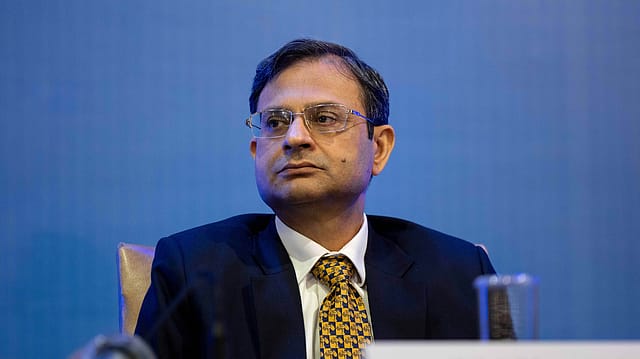
Reserve Bank of India Governor Sanjay Malhotra has cautioned that the biggest macroeconomic risk from the ongoing West Asia crisis is not the immediate supply shock, but the danger of it feeding into sustained inflation.
“Second-round effects are the real concern. They can materialise if the supply chain disruptions continue for long. Then, what began as a supply shock can become embedded in the general price level,” Malhotra said in a speech at Princeton University on April 18.
He added that preventing such an outcome is critical, noting that the central bank’s role lies “through its influence on inflation expectations rather than through blunt demand compression.”
India’s deep exposure to West Asia
The warning comes amid escalating tensions in West Asia, a region that Malhotra said is central to India’s external sector.
“West Asia contributes about one-sixth of our exports, one-fifth of our imports, half of our crude oil imports, two-fifths of our fertilisers imports and almost two-fifths of our inward remittances,” he said.
The scale of this exposure means that any prolonged disruption—particularly to energy flows—could have a direct impact on domestic inflation and growth dynamics.
RBI in ‘wait and watch’ mode
Despite the risks, the central bank is not signalling any immediate policy shift. Malhotra said that in the current environment of elevated uncertainty, the RBI is maintaining flexibility.
“In uncertain times such as this, it is important to be agile and nimble… and avoid making firm commitments of the future path of policy,” he said.
He added that the RBI is “in wait and watch mode now” and has maintained a neutral stance in recent policy cycles to preserve room for manoeuvre.
Focus on expectations, not immediate tightening
Malhotra stressed that monetary policy should not overreact to supply shocks like oil price spikes unless they begin to alter broader price behaviour.
“The appropriate monetary policy response… is to look through the first-round effect to the extent that it does not feed into second-round dynamics,” he said.
This implies that the RBI’s immediate focus will be on anchoring inflation expectations rather than aggressively tightening policy in response to short-term price pressures.
Government managing supply-side pressures
The governor also highlighted steps being taken to manage the impact of the crisis, including diversifying import sources and increasing domestic energy production.
“While there is no shortage of oil… there is some rationing of gas for industrial purposes,” he noted, adding that authorities are absorbing part of the price pressures in oil while passing on some increases in gas prices.
Malhotra’s remarks indicate that the trajectory of inflation, and any future policy response, will depend on how long the current disruptions persist. If the supply shocks endure, the risk of inflation becoming entrenched could force a shift in policy stance in the months ahead.