
U.S., Iran officials reach Switzerland for high-stakes peace talks amid Hormuz tensions
ADVERTISEMENT
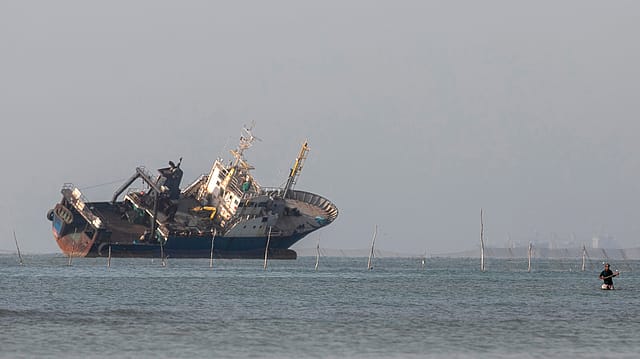
Amid persistent uncertainty over the fragile U.S.-Iran peace process after Tehran announced the closure of the Strait of Hormuz yesterday, technical-level negotiations between Washington and Tehran are set to begin in Switzerland on Sunday.
U.S. Vice President J.D. Vance said on Saturday that American negotiators Steve Witkoff and Jared Kushner were already in Switzerland and that he may join the talks in the coming days. Speaking to Fox News, Vance expressed confidence in Washington's position, saying the U.S. held significant leverage as discussions moved forward.
"We'll plan the talks when the principals from the Iranian government, also the Qatari and the Pakistani governments arrive. That may happen as soon as tomorrow, but these things are always a little bit in flux,” PTI quoted Vance as saying.
Pakistan, which is acting as intermediary in the process, said the talks would take place at Bürgenstock, Switzerland, with Qatari mediators also participating. The discussions are expected to focus on the technical framework of a final accord between the two sides.
Iranian Foreign Ministry spokesperson Esmaeil Baghaei reportedly said an Iranian delegation led by senior officials, including Parliament Speaker Mohammad Bagher Ghalibaf and Foreign Minister Abbas Araghchi, was travelling to Switzerland. Iranian state media later reported that the delegation had arrived in Zurich.
The negotiations follow the signing of a memorandum of understanding earlier this week under which both sides agreed to halt military operations across multiple fronts, including Lebanon. The agreement provides a 60-day window for negotiating a final settlement, with the possibility of an extension by mutual consent.
However, the diplomatic momentum faces an immediate test after Iran on Saturday announced the closure of the Strait of Hormuz, blaming what it called "America's blatant breach of promise" under the recently announced U.S.-Iran memorandum of understanding aimed at ending the conflict. Tehran also cited Israel's alleged violations of a ceasefire in Lebanon. The move has raised concerns that tensions could once again overshadow the nascent peace process.
The Strait of Hormuz, one of the world's most strategically important energy routes, handles nearly 20% of global oil and liquefied natural gas shipments. Commercial traffic through the waterway had resumed only earlier this week following the U.S.-Iran agreement, after months of disruptions.
Iranian military authorities described the closure as an initial measure and warned that additional actions could follow if hostilities persist.