
West Asia crisis yet to fully hit consumers, but inflation risks rising: Crisil
ADVERTISEMENT
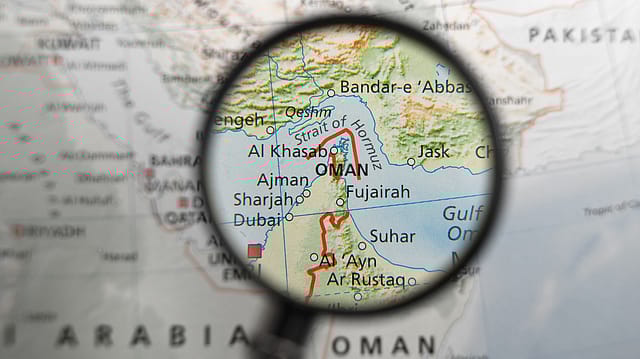
Despite the West Asia conflict entering its 74th day, the impact on India’s retail inflation has so far remained limited, indicating that consumers continue to be largely shielded from the global energy shock, according to a report by Crisil. The report said upside risks to inflation are materialising only gradually, even as global crude oil prices, freight costs, and supply chain disruptions intensify due to the prolonged geopolitical crisis.
According to Crisil, the expected transmission of higher energy and input costs into broader consumer prices is yet to fully play out. Core inflation remained unchanged at 3.7% for the fourth consecutive month, suggesting that the pass-through of rising costs to consumers has so far been limited.
The report said inflation in electricity, gas, and fuels eased on favourable base effects while transportation fuel inflation remained largely unchanged as the government continued to hold retail petrol and diesel prices steady.
However, Crisil warned that inflationary pressures are likely to intensify in the coming months. It expects CPI-based inflation to average 5.1% in fiscal 2027, sharply higher than 2.0% in fiscal 2026, driven by higher crude prices, imported inflation and weather-related risks to food production.
Crude prices are likely to average $90-95 per barrel
Crude oil prices are expected to average $90-95 per barrel this fiscal, nearly 32% higher year-on-year. Crisil said prolonged geopolitical tensions in West Asia have disrupted supply chains and raised international freight and insurance costs while rupee depreciation is increasing the cost of imported inputs.
The report noted that producers are expected to gradually pass on higher energy, transportation and raw material costs to consumers, pushing up core inflation over time.
Food inflation also showed signs of firming up. Food and beverage inflation rose to 4.0% in April from 3.7% in March while overall food inflation increased to 4.2% from 3.9%.
Among key food categories, inflation in vegetable oils rose sharply to 10.7% from 9.0%, driven by higher global prices amid the West Asia conflict. Crisil stated that the FAO Vegetable Oil Price Index in April touched its highest level since July 2022.
Inflation also accelerated in fish and seafood, fruits and nuts, spices, and ready-made food products due to higher input and packaging costs.
Vegetable inflation remained elevated, with tomato prices continuing to rise sharply. Crisil warned that below-normal monsoon rainfall, possible El Niño conditions and ongoing heatwaves could disrupt agricultural output and put additional pressure on food prices in the coming months.
On the fuel side, inflation in electricity, gas, and other fuels eased to 0.7% from 1.7%, helped by lower electricity inflation and moderation in LPG inflation on base effects. However, the report cautioned that fuel-related inflation could rise again if the conflict in West Asia prolongs further.
Core inflation trends showed mixed movement
Core inflation trends showed mixed movement across categories. Inflation in household furnishings and maintenance rose as companies passed on higher energy and imported input costs. Restaurant and accommodation inflation climbed sharply to 4.2% from 2.9%, mainly due to higher commercial LPG prices being passed on to consumers.
Meanwhile, inflation in the transport category remained flat as retail petrol and diesel prices were kept unchanged, shielding most consumers from the global crude price surge. Domestic airfare inflation, however, remained elevated.
Crisil also highlighted that precious metal inflation provided some relief to overall inflation trends. Inflation in gold, diamond and platinum jewellery moderated as global precious metal prices corrected from earlier highs. The report expects the Reserve Bank of India’s (RBI's) Monetary Policy Committee to maintain status quo on interest rates and policy stance in the upcoming monetary policy review.