
Space sector reforms unlocking innovation, enterprise, says PM Modi ahead of Skyroot’s Vikram 1 launch
ADVERTISEMENT
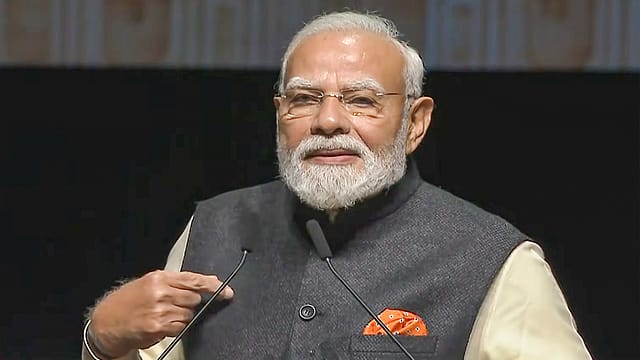
Wishing Skyroot Aerospace the best for the successful launch of Vikram-1—India’s first privately developed space launch vehicle—Prime Minister Narendra Modi said space-sector reforms are unlocking new opportunities for innovation and enterprise.
Skyroot Aerospace will attempt the maiden test flight of its Vikram-1 launch at 11:30 am today. This marks India’s first attempt by a private company to launch an orbital-class rocket from Indian soil.
The mission, named ‘Aagaman’, is scheduled to lift off at from the first launch pad at the Satish Dhawan Space Centre (SDSC-SHAR), Sriharikota, Andhra Pradesh.
The test flight comes nearly four years after Skyroot’s Vikram-S became the first privately built Indian sub-orbital rocket to reach space in November 2022.
“A historic new frontier for India’s space journey!” PM Modi said in a post on X.
“At 11:30 AM today, Skyroot Aerospace will undertake the maiden orbital launch of Vikram-1, India’s first privately developed launch vehicle,” Modi said in the post.
“This four-stage rocket is designed to provide rapid and on-demand launch services. This mission highlights the talent, determination and entrepreneurial spirit of our youth. It also shows how our space-sector reforms are unlocking new opportunities for innovation and enterprise,” he added.
“My best wishes to the entire Skyroot Aerospace team for a successful launch. May Vikram-1 soar high, create history and inspire a generation of innovators,” he said.
“I urge all Indians, especially my young friends, to follow this historic mission and join in wishing Team Skyroot success,” he added.
It may be noted that this is a test flight as the company needed to demonstrate the capability to reliably put satellites into the orbit. After the initial few launches, which could typically be two to three launches, the company will launch regular commercial flights.
The company management had earlier told Fortune India that multiple geographies have approached it for launch of satellites.
Majorly companies from three geographies—U.S., Europe, and South East Asia—have approached the company and the demand pertains to two major types of payloads. First is communication satellites, which provide communication, data transmission services. The other is earth observation satellites for clicking images from the space. There are satellites that can watch in night and various spectrums.
These images are used for various industries like agriculture, energy, urban planning, and observing global warming and weather prediction. About 15 industries use the images and analytics from the images. It is itself a multi-million-dollar industry. So communication and earth observation are the two main industries.