
Brent jumps nearly 2% to $107 a barrel as uncertainty over Iran-US deal persists
ADVERTISEMENT
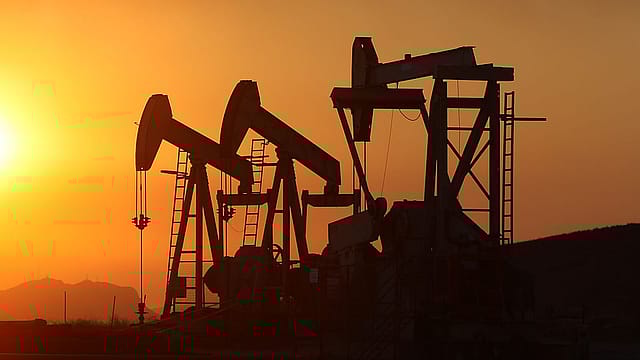
Oil prices extended their rally on Monday, gaining close to 2% as diplomatic efforts between the US and Iran hit a roadblock and supply disruptions in the Middle East persisted.
Brent crude futures rose $2.16, or 2.05%, to $107.49 a barrel in late trading, marking the highest level since April 7. US benchmark West Texas Intermediate (WTI) also advanced, climbing $1.77, or 1.88%, to $96.17 per barrel.
The latest gains come on the back of a sharp rally last week, when Brent surged about 17% and WTI jumped 13%, registering their strongest weekly performance since the onset of the conflict.
Market sentiment remained fragile
Market sentiment remained fragile after hopes of renewed diplomatic engagement faded over the weekend. US President Donald Trump called off a planned visit by his envoys, Steve Witkoff and Jared Kushner, to Islamabad, even as Iran’s Foreign Minister Abbas Araqchi reached Pakistan, signalling a widening disconnect in negotiations.
Supply concerns were further exacerbated by continued restrictions in the Strait of Hormuz, a critical global oil transit route. Iran has largely shut the passage, while the US has tightened its blockade on Iranian ports. Shipping activity remains subdued, with data from Kpler showing only one oil products tanker entering the Gulf on Sunday.
Fears of a prolonged supply squeeze
The constrained flows have heightened fears of a prolonged supply squeeze, supporting upward pressure on crude prices.
Reflecting the tighter outlook, Goldman Sachs revised its oil price projections higher for the fourth quarter, forecasting Brent at $90 per barrel and WTI at $83, citing reduced output from the Middle East.
Risks persist for India
In countries such as India that import crude oil, higher prices will cause their trade deficits to increase, thereby putting additional pressure on their inflation rate, especially for fuels and transportation. The disruption of crucial shipping lanes might also lead to countries utilizing their strategic reserves and revising their fuel pricing strategies.
Traders are also keeping an eye out for signs from leading crude oil exporters as well as stock levels. Should the organisation known as OPEC+ coordinate, or should US shale production change its course, the market might be headed towards new directions. It is only until then that volatility in the crude market can be mitigated.