
Swiggy jumps nearly 8%, hits two-month high after turning majority Indian-owned
ADVERTISEMENT
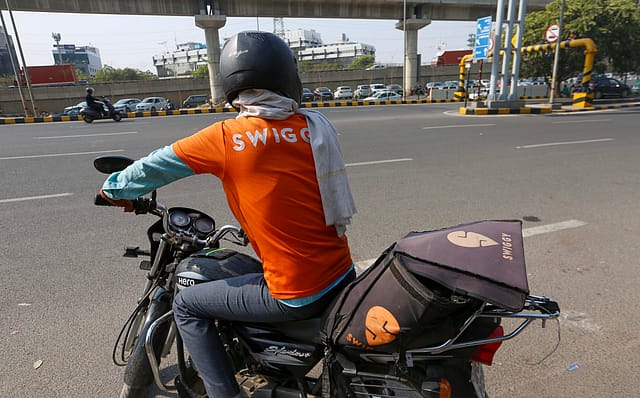
Shares of food delivery and quick commerce platform Swiggy surged as much as 7.6% on Tuesday to an intraday high of ₹267.40, marking the stock's highest level in nearly two months, after the company announced it had become a majority Indian-owned entity following a drop in foreign shareholding below the 50% threshold.
The stock extended its recent recovery after the company disclosed in a stock exchange filing that foreign investment had fallen to 49.76% of its paid-up equity capital on a fully diluted basis as of July 6. The reclassification could provide greater regulatory flexibility in businesses where Indian ownership is advantageous, although the company did not announce any immediate operational changes.
Tuesday's rally also comes against the backdrop of improving investor sentiment after a prolonged correction. Swiggy shares remain well below their 52-week high of ₹474 and had declined sharply earlier this year amid concerns over slowing quick commerce growth, intense competition and the path to profitability.
Brokerages remain constructive despite near-term challenges
While there have been no fresh brokerage upgrades linked to Tuesday's move, analysts have remained broadly constructive on Swiggy's long-term prospects.
In a dated report published in May, JPMorgan reiterated an 'Overweight' rating on the stock, saying Swiggy's food delivery business continued to outperform even as its quick commerce business faced pressure from heightened competition. The brokerage highlighted 23% year-on-year growth in food delivery gross order value (GOV) during the March quarter, improvement in contribution margins to 7.8%, and management's medium-term target of building a ₹1 lakh crore quick commerce business over the next 3.5-5 years. It also maintained that Swiggy's value could unlock once competitive intensity in the quick commerce segment moderates.
Other brokerages have echoed a similar stance in recent months. Bank of America upgraded the stock to 'Buy' late last year, while Morgan Stanley, HDFC Securities and Jefferies have also maintained positive long-term views, citing improving profitability in food delivery despite continued investments in quick commerce.
Leadership reshuffle amid quick commerce battle
The rally also comes after a period of major leadership changes at the company.
Co-founder Nandan Reddy stepped down from his executive role and board in April, while Instamart COO Ankit Jain and chief business officer Hari Kumar exited in June as Swiggy reorganised the leadership of its quick commerce business.
Swiggy shares ended 7.17% higher at ₹267.40 apiece on the NSE on Tuesday. Despite the sharp rally, the stock remains down nearly 30% over the past year, underperforming the Nifty Midcap 50 index, which has gained more than 6% during the same period.