
Bank strike: Will ICICI Bank, HDFC Bank, Axis Bank and IndusInd Bank remain open?
ADVERTISEMENT
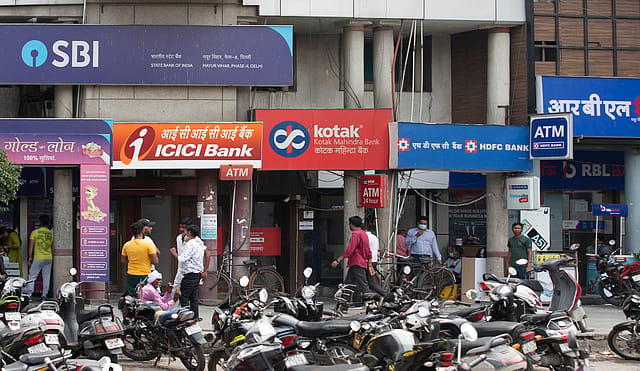
Bank customers across India may face disruption from September 28 as bank employees’ unions have called a three-day nationwide strike, prompting lenders and the government to take steps to ensure the continuity of essential banking services.
The United Forum of Bank Unions (UFBU), which claims to represent around 90% of the banking workforce, has called the strike from September 28 to 30, seeking a five-day banking week, among other demands. The strike coincides with the half-yearly closing of banks on September 30, a key date for reconciliation, provisioning, treasury operations and market-related activities.
The impact of the strike is expected to differ across banks. Public sector lenders and some old-generation private sector banks have issued advisories warning customers that branch-based services could be affected during the strike period. Regional Rural Banks are also participating in the three-day strike.
However, new-generation private sector banks such as ICICI Bank, HDFC Bank, Axis Bank and IndusInd Bank are expected to continue their normal banking operations.
Karnataka Bank, an old-generation private sector lender, has also cautioned customers about possible disruptions. The bank said that if the strike materialises, the normal functioning of its branches, offices and departments could be affected, while adding that it was taking steps to ensure continuity of operations.
Will banks remain open on September 27?
All banks, including public sector banks and Regional Rural Banks (RRBs), will remain open on Sunday, September 27, ahead of the strike, the Finance Ministry said.
The move is aimed at ensuring that customers can complete essential transactions before the three-day strike, which follows the weekend holidays on September 26 and 27.
“In order to ensure that the genuine banking needs of the public are not adversely affected for an extended period, all Public Sector Banks and Regional Rural Banks will function normally on Sunday, the 27th of September, 2026,” the Finance Ministry said.
The Reserve Bank of India has also permitted bank branches, offices, ATM-linked branches and currency chests to remain operational on September 27, according to the ministry.
The Department of Financial Services said customer convenience remained the government’s priority. The government and bank managements have also appealed to the unions to defer the strike while taking steps to maintain essential banking services.
Cooperative banks to continue normal services
Cooperative banking institutions across the country are not expected to participate in the strike.
The National Federation of Urban Cooperative Banks and Credit Societies (NAFCUB), National Urban Cooperative Finance and Development Corporation (NUCFDC) and National Federation of State Cooperative Banks (NAFSCOB) have clarified that cooperative banks have not proposed to join the UFBU strike.
The three industry bodies said cooperative banking institutions will continue providing banking services to customers, members and businesses under their normal operating arrangements.
SBI, other banks advise customers to plan ahead
State Bank of India (SBI) has asked customers to complete essential banking transactions before the strike dates. The lender said it would make efforts to provide essential services at branches and offices, but some services could be affected during the strike.
SBI has advised customers to use ATMs and ADWMs for cash requirements and rely on YONO, internet and mobile banking, UPI and other digital channels wherever possible.
Bank of India has similarly asked customers to use its 24x7 digital channels during the strike, including mobile banking, ATMs, internet banking, business correspondent points and UPI.
Why are bank employees going on strike?
The UFBU has called the strike primarily to demand the implementation of a five-day banking week. Its other demands include improvements in pension benefits, a uniform dearness allowance formula for all pensioners and an option for employees covered under the National Pension System (NPS) to switch to the old pension scheme (OPS).
Earlier this week, the Finance Ministry appealed to bank employees to defer the strike and resolve their remaining demands through dialogue. The government said several of the unions’ concerns had already been substantially addressed.
The timing of the strike is particularly significant as September 30 marks the half-yearly closing for banks. Any disruption during this period could affect routine branch operations as well as activities linked to reconciliation, provisioning, treasury operations and financial markets.