
Flying to India? e-Arrival Card mandatory for international flyers from April 1
ADVERTISEMENT
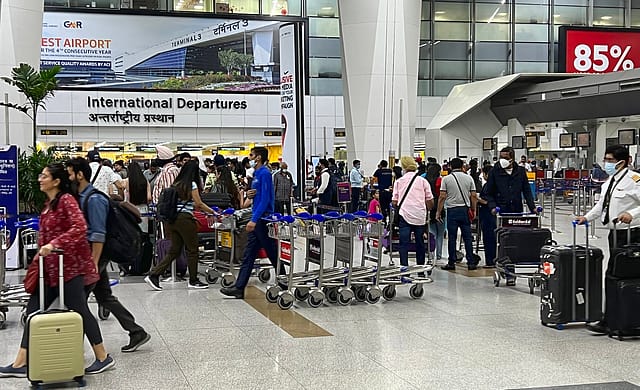
India is set to go fully digital at its airports, with the government introducing a mandatory e-Arrival Card for international passengers starting April 1, 2026. The move is aimed at streamlining immigration processes and reducing paperwork at entry points.
For travellers flying into India after April 1, the e-Arrival Card will become an essential pre-boarding requirement, alongside passports and visas, ensuring a faster and more efficient entry experience if completed on time.
The new system will apply to tourists, business travellers, and Overseas Citizen of India (OCI) cardholders, and is expected to significantly impact the arrival experience for inbound passengers.
What is the e-Arrival Card
The e-Arrival Card is a digital replacement for the traditional paper disembarkation form that international travellers were previously required to fill out during flights or upon arrival.
From April 1, 2026, the online form will become mandatory, with paper-based forms being completely discontinued.
When and how to submit
Passengers will be required to submit the e-Arrival Card within 72 hours prior to their arrival in India. Authorities recommend completing the process before boarding to avoid delays at immigration checkpoints.
Once submitted, flyers will receive a QR code, which must be presented at immigration on arrival.
Information required
The form is designed to be simple and user-friendly, requiring basic details such as passport information, flight details, contact information, purpose of visit, and address of stay in India. No document uploads are required.
Who needs to fill it
The e-Arrival Card is mandatory for foreign nationals and OCI cardholders, while Indian citizens are exempt from the requirement.
Families of up to five members can submit a single consolidated form, easing the process for group travellers.
Submission platforms
Travellers can complete the form through the official Indian visa website, the Su-Swagatam mobile app, or other government-authorised portals. After submission, passengers are advised to save or print the QR code for verification at immigration.
Non-compliance may lead to delays
While failure to submit the form will not bar entry into India, passengers may face additional checks and longer wait times at immigration counters. Authorities have urged travellers to complete the process in advance to ensure a smooth arrival.
Push for seamless travel
The introduction of the e-Arrival Card is part of India’s broader push to modernise its aviation infrastructure and adopt paperless systems.
According to officials, pilot runs have shown that the digital system can reduce immigration wait times by up to 40%, improve passenger flow, and align India with global best practices in border management.