
RBI proposes 1-hour delay on payments above ₹10,000: Explained
ADVERTISEMENT
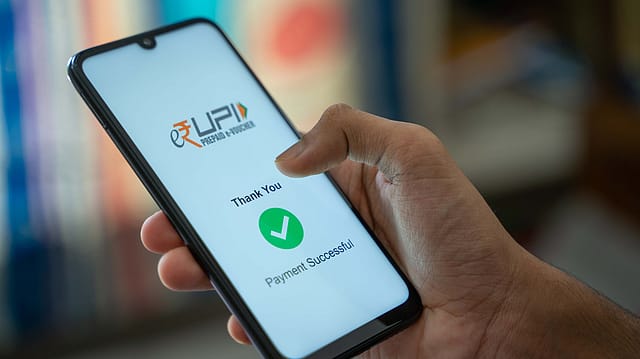
The Reserve Bank of India (RBI) has proposed introducing a one-hour delay for digital payments exceeding ₹10,000, signalling a potential shift in how certain transactions are processed in India’s instant payments ecosystem. The proposal is part of its discussion paper, ‘Discussion Paper – Exploring Safeguards in Digital Payments to Curb Frauds’, which outlines measures to tackle the rising incidence of digital payment fraud.
India’s digital payments system, led by platforms such as the Unified Payments Interface (UPI), has been built around speed and real-time transfers. From splitting bills to making urgent payments, the instant nature of transactions has been central to its widespread adoption. However, the RBI’s proposal suggests that this defining feature could be moderated for specific high-value transfers.
How the 1-hour delay will work
Under the proposed framework, transactions above ₹10,000 made to another individual would not be credited instantly. While the amount would be debited immediately from the sender’s account, it would be held by the bank for up to one hour before being transferred to the recipient. During this interval, users would have the option to cancel the transaction. The delay is expected to apply primarily to person-to-person transfers while merchant payments, such as those made via QR codes, are likely to continue being processed instantly. This means everyday transactions may remain largely unaffected, with the pause applying mainly to larger transfers between individuals.
Why users are falling prey to fraudsters
The proposal is rooted in the sharp rise in digital payment fraud, particularly scams that rely on deceiving users rather than breaching banking systems. These are commonly referred to as authorised push payment (APP) frauds, where individuals are manipulated into transferring money under false pretences. Fraudsters often impersonate bank officials, government representatives or even acquaintances, creating a sense of urgency that prompts victims to act quickly. By the time the deception is discovered, the funds are typically irretrievable.
The RBI has pointed out that the real-time nature of digital payments while efficient, leaves little scope for reversing such transactions. Once money is transferred, it can be quickly withdrawn or routed through multiple accounts, making recovery difficult and uncertain. This creates a structural challenge where a secure system is undermined by the speed at which transactions are completed.
What is ‘golden hour’ window
To address this, the central bank has proposed introducing a ‘golden hour’ window, a short but critical period immediately after a transaction is initiated during which intervention is still possible. The one-hour delay is intended to break the urgency that fraudsters exploit, giving users time to reconsider their actions, verify requests or seek advice. It also enables banks to detect and flag suspicious transactions and seek reconfirmation before processing them.
The RBI has noted that the delay is not merely a technical adjustment, but a behavioural safeguard designed to reduce fraud risk. The proposal is currently at the consultation stage, and feedback from stakeholders will be considered before any final decision is taken.
Rakesh Kumar, Founder and MD, Square Insurance, said, "RBI’s proposed 1-hour cooling-off period for digital transfers above ₹10,000 is a positive step to tackle rising digital fraud. At the same time, it’s important to look at how this could affect sectors like insurance, where digital payments are now a key part of the customer journey. A large share of insurance premium payments today happens through UPI. If there’s a 1-hour delay, a renewal payment may not get credited in time, even if the customer has paid before the due date. This could lead to an unintended lapse in coverage. For new policies as well, the delay could mean a customer remains uninsured for that short window."
According to Kumar, it’s not just about premiums. In cases where patients pay hospital bills out of pocket and later claim reimbursement, payments are often made in urgent situations. Any delay at that point can add to the stress. Similarly, claim payouts from insurers to customers, which families may be waiting for, could also get held up, he said.
"We support the RBI’s intent to make digital payments safer. At the same time, it would help to consider some flexibility or exemptions for insurance-related transactions, both for premium payments and claim settlements, so that customers are not affected at critical moments," Kumar added.