
US-Iran deal explained: What the agreement means and what remains unresolved
ADVERTISEMENT
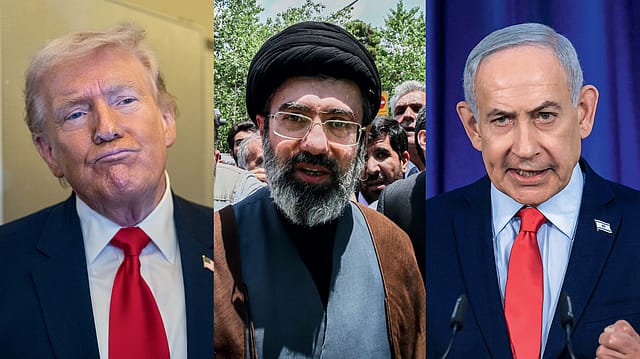
The US and Iran have reached an agreement to end the war that began on February 28 and reopen the Strait of Hormuz, a key shipping route whose closure disrupted global trade and energy flows. The agreement is set to be signed in Switzerland on Friday, though the full details have not been made public yet.
US President Donald Trump confirmed the breakthrough and announced that he has authorised an end to the US naval blockade of Iranian ports in the Strait of Hormuz.
"Congratulations to all!" Trump wrote on social media. He added, "Ships of the World, start your engines. Let the oil flow!"
Why is the Strait of Hormuz important?
The Strait of Hormuz is a crucial waterway for the movement of oil, natural gas and related products such as fertiliser. Its effective closure during the conflict had significant economic consequences and became a major source of pressure on global trade.
The US had previously indicated that it would ease its blockade of Iranian ports as the strait reopened and would consider relaxing sanctions to allow Iran to increase oil sales and support its economy.
The reopening of the route is one of the most significant outcomes of the agreement, given its importance for international shipping and energy markets.
How was the agreement reached?
Iranian state media reported on the deal—first announced by Pakistan—after a day of regional tensions that included Israeli attacks on Beirut's southern suburbs while targeting the Hezbollah.
According to the deal, both sides have declared the immediate and permanent termination of military operations on all fronts, including in Lebanon.
Pakistan's announcement said the mediators would facilitate meetings this week to “lay the foundation for the technical talks”.
Iranian state television described the agreement as a victory for Tehran, displaying a banner that said, “US was forced to sign an agreement to end the war.” However, Iran's government had not officially commented on the deal.
Why is the agreement controversial?
The deal faced criticism even before its announcement. Critics argued that despite months of war, many of the issues that triggered the conflict remain unresolved.
According to reports, Iran still possesses a missile programme, maintains support for regional groups such as Hezbollah and retains a stockpile of highly enriched uranium linked to its nuclear programme.
The agreement was also criticised by Israel's government and by some members of Trump's Republican Party. Some opponents argued that the deal did not improve on the terms of the 2015 Iran nuclear agreement, which Trump withdrew from during his first term and continues to describe as "bad".
There were also signs of internal debate within Iran. President Masoud Pezeshkian called for unity and described it as a "disgrace" when someone stands before the parliament and calls anyone who negotiates a traitor, referring to criticism by hardliners in Iran.
What happens next?
The central issue of Iran's nuclear programme remains unresolved. Iran currently possesses 440.9 kg of uranium enriched to 60% purity, according to the International Atomic Energy Agency. Tehran maintains that its nuclear programme is peaceful and has not publicly committed to giving up the enriched uranium stockpile.