
The FAQs are AI-generated, and Fortune India is not responsible for its content or any associated copyright issues.
Maruti Suzuki adds 30MWp solar capacity in Kharkhoda and Manesar, targets 319MWp by 2030
/ 2 min read
Maruti Suzuki adds 30MWp solar capacity in Kharkhoda and Manesar, targets 319MWp by 2030
Maruti Suzuki India Limited has expanded its solar power capacity by 30MWp in Haryana, aiming for 319MWp by 2030. The company added a 20MWp solar facility in Kharkhoda and increased Manesar's capacity by 10MWp. This initiative is part of a broader plan to transition to cleaner energy, aligning with Suzuki Motor Corporation’s Environment Vision 2050.
This summary is AI-generated, and Fortune India is not responsible for its content or any associated copyright issues.
India’s largest automaker ramps up green manufacturing with new solar projects and a bold ₹925 crore investment commitment to meet its FY 2030-31 sustainability goals.
THIS STORY FEATURES
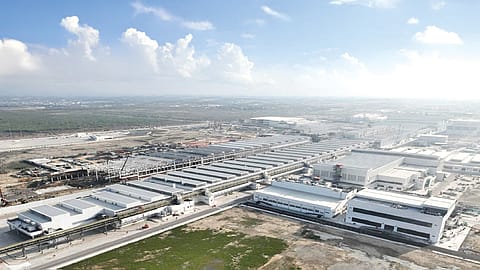
Maruti Suzuki India Limited (MSIL), the country’s largest carmaker, has taken another major stride in its sustainability journey by adding 30 megawatt-peak (MWp) of solar power capacity across its operations in Haryana. The company commissioned a 20MWp solar facility at its new plant in Kharkhoda and expanded the solar footprint at its Manesar unit by 10MWp.
With this development, Maruti Suzuki’s total installed solar capacity has surged from 49MWp to 79MWp within a year—part of a broader plan to transition toward cleaner energy in alignment with Suzuki Motor Corporation’s global Environment Vision 2050.
The company aims to ramp up its solar capacity to a staggering 319MWp by FY 2030-31, backed by an investment of over ₹925 crore. By that time, Maruti Suzuki also expects 85% of its total electricity consumption to come from renewable sources, including increased sourcing of green power from state electricity boards.
“As we scale up production to four million units annually, we are committed to matching that growth with equally ambitious sustainable energy practices,” said Hisashi Takeuchi, Managing Director & CEO, Maruti Suzuki India Limited. “This solar power expansion is a crucial step towards creating a cleaner, more sustainable energy ecosystem and contributes positively to the environment.”
The green energy drive supports India’s national renewable energy goals and also aligns with the United Nations Sustainable Development Goal #7—affordable and clean energy.
The company’s manufacturing plants have increasingly adopted green practices such as energy-efficient technologies, process optimisation, and responsible waste management. The latest move underscores MSIL’s long-term ambition to integrate sustainability into every layer of its automotive value chain.