The FAQs are AI-generated, and Fortune India is not responsible for its content or any associated copyright issues.
More reforms in pipeline, India Inc. must think boldly, innovate fearlessly: Shaktikanta Das
/ 2 min read
Speaking at the CII Annual Business Summit 2026 in New Delhi, Das said the government remains committed to policy continuity and calibrated reforms.
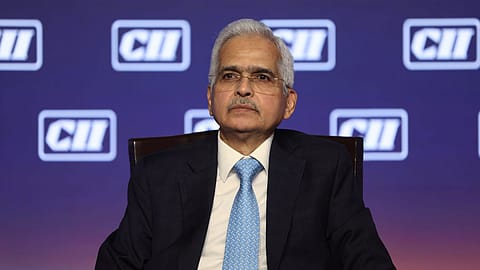
Shaktikanta Das, Principal Secretary to Prime Minister Narendra Modi. | Credits: Sanjay Rawat
Shaktikanta Das, Principal Secretary to Prime Minister Narendra Modi, on Monday said several reform measures are in the pipeline to further strengthen the resilience of the Indian economy, while urging India Inc to “think boldly, innovate fearlessly and invest strategically” amid growing global economic challenges.
Speaking at the CII Annual Business Summit 2026 in New Delhi, Das said the government remains committed to policy continuity and calibrated reforms.
“There hasn’t been, and there won’t be, any reform complacency. Policy consistency and timely, calibrated reforms will continue,” he said.
Seven priorities for domestic private sector
Das outlined seven broad priorities for the domestic private sector, calling on businesses to build organisational resilience, strengthen balance sheets, create diversified supply chains, expand into new markets and invest more aggressively in research and development as well as artificial intelligence.
“It is necessary for businesses and enterprises to undertake a strategic reorientation of their operations,” Das said, adding that excessive dependence on a single supply chain or “just-in-time” supply chains was no longer viable in an increasingly fragmented global environment.
Earlier in the day, Union Minister Ashwini Vaishnaw urged investors to continue backing India despite ongoing geopolitical tensions, saying the country remains well-positioned to emerge stronger and deliver long-term growth opportunities.
Addressing the summit as keynote speaker, Vaishnaw said India was at a critical global technology “inflection point” and must act swiftly to capitalise on emerging opportunities.
He also described the current global environment as “very turbulent”, noting that India was not directly responsible for the geopolitical tensions reshaping world markets but would inevitably feel the economic impact.
Vaishnaw’s remarks came a day after Prime Minister Modi appealed to citizens to adopt fuel-saving and austerity measures amid concerns that the prolonged conflict in West Asia could disrupt global energy supplies, raise crude oil prices and put pressure on India’s foreign exchange reserves.
Meanwhile, Rajesh Agrawal called on Indian companies to better leverage the free trade agreements (FTAs) signed by India in recent years.
Agrawal said India’s track record in utilising FTAs effectively has been “less than satisfactory” and stressed the need for industry to capitalise on access to large complementary markets opened through such agreements. He added that the government’s objective through these FTAs is to provide Indian industry with a predictable trade, tariff and regulatory environment.
Follow Fortune India
Frequently Asked Questions
NEXT STORY