
The FAQs are AI-generated, and Fortune India is not responsible for its content or any associated copyright issues.
Pricing is the last lever for Nestlé India as it leans on volume growth and cost discipline
/ 2 min read
The company has focused on penetration-led growth while continuing to reinvest in brands and expand capacity.
THIS STORY FEATURES
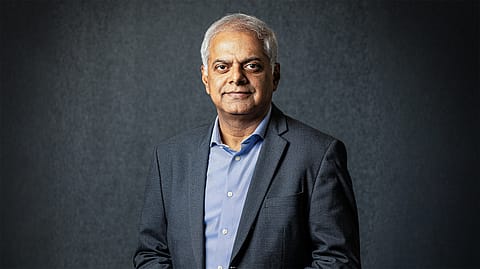
Manish Tiwary, chairman and managing director
Nestlé India is holding its ground on pricing even as input cost pressures persist, with chairman and managing director Manish Tiwary making it clear that price hikes remain a measure of last resort rather than a first response. The stance comes at a time when several fast-moving consumer goods (FMCG) companies are cautiously passing on costs to consumers, highlighting a broader industry balancing act between protecting margins and sustaining demand.
“Pricing is always our last lever. We start by driving efficiencies, strategic buying, portfolio and capacity optimisation. It is only when we have exhausted these avenues do we consider pricing, and even then, it is approached only as a last resort,” Tiwary told Fortune India.
The approach is rooted in a deliberate strategy anchored in volume-led growth. Nestlé India reported double digit volume expansion in FY26, driven by a mix of brand strength, high availability and disciplined execution. The company has focused on penetration-led growth while continuing to reinvest in brands and expand capacity.
Tiwary emphasised that these gains are not accidental but the result of consistent operating discipline. “Our double-digit volume growth was the result of choices made consistently and executed with discipline over time. Momentum has come from the fundamentals such as strong brands, high availability, disciplined investments and relentless execution,” he said.
Balancing growth, costs and consumer demand
For Nestlé India, protecting consumption and market share takes precedence, especially when small price increases can impact volumes in mass categories.
A key buffer against volatility has been the company’s sourcing strategy. Around 95 percent of its ingredients are procured locally, which reduces exposure to global supply disruptions and currency fluctuations. This is complemented by investments in digital supply chain capabilities, including advanced forecasting and touchless planning systems that help anticipate demand and manage procurement efficiently.
“Our advanced forecasting and touchless planning capabilities enhance our ability to anticipate demand and secure critical commodities efficiently, which is essential for managing volatility and avoiding sudden pricing changes,” Tiwary said.
The company has also focused on strengthening its manufacturing footprint. Recent capacity additions include new production lines for Maggi noodles and Munch at its Sanand facility, along with a greenfield factory in Odisha. These investments are aimed at supporting future growth while maintaining cost efficiencies.
At the core of Nestlé India’s strategy is a sharp focus on consumer centricity. “Consumer truth must always prevail over internal opinion. If a decision does not genuinely make the consumer’s life better, we challenge it,” Tiwary said. This philosophy shapes decisions across the value chain, from product development to pricing.
Meanwhile, the broader FMCG sector continues to navigate a complex cost environment. Companies are weighing selective price increases, grammage adjustments and efficiency measures to manage margins. Hindustan Unilever, for instance, has taken price increases of 3 to 5% in certain categories to offset cost inflation running at 8 to 10%. Marico has also initiated selective price hikes in response to rising input costs, particularly in key commodities.
In the March quarter, Nestlé India reported a consolidated net profit of ₹1,111 crore, up 27.19% from ₹873.4 crore in the year-ago quarter and revenue from operations rose 22.6% to ₹6,748 crore, compared to ₹5,504 crore a year earlier.
Frequently Asked Questions
NEXT STORY