
The FAQs are AI-generated, and Fortune India is not responsible for its content or any associated copyright issues.
Small-ticket gold, bulk silver drive Akshaya Tritiya surge on Instamart
/ 2 min read
The pattern of buying suggests that affordability and impulse are shaping digital gold consumption.
THIS STORY FEATURES
Credits: Shutterstock
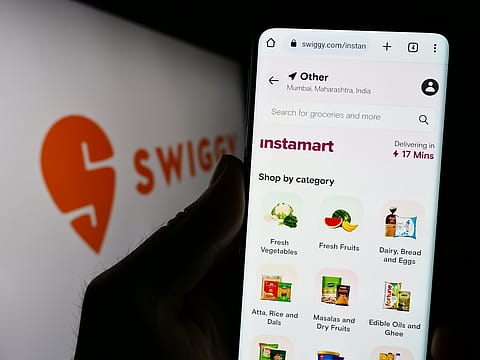
India’s ritual gold rush is finding a new home in the 10-minute delivery lane. On Akshaya Tritiya this year, quick commerce platform Instamart saw demand for precious metals spike sharply, pointing to a shift in how urban consumers are blending tradition with convenience. On April 19, overall demand on the platform jumped 45 times, led by a 49 times surge in gold and a 24 times rise in silver purchases, according to company data.
The pattern of buying suggests that affordability and impulse are shaping digital gold consumption. The most popular gold denominations were 1 gram, 2 gram and 0.5 gram coins. As the report notes, this is “proof that Akshaya Tritiya is as much about cultural intent as it is about affordability.”
Silver, meanwhile, skewed toward bulk buying. “If gold was about repeat taps, silver was about going all in,” the company said. One Bengaluru shopper added ₹1.65 lakh worth of silver bars to their cart in a single transaction. Across the platform, 10 gram, 5 gram and 20 gram silver bars led demand, driven by a mix of gifting and investment purchases.
Credits: Swiggy Instamart
A key driver of this surge was Instamart’s price lock feature, introduced for select gold coins. The option allowed users to lock prices between April 10 and 16 and redeem on the day of the festival at the lower of the locked or prevailing market price. Nearly 40% of total demand came from these pre-booked orders, indicating that consumers are not just buying on impulse but also timing purchases around price movements.
What stood out equally was how precious metals are now being bought alongside everyday essentials. The largest single order over the festive weekend came from Bengaluru, where a user spent ₹1,99,917 in one go. The cart included ₹1.65 lakh in silver bars and ₹31,800 in gold coins, along with groceries and household items such as soft drinks, ice cubes, Alphonso mangoes and a water dispenser. A smartwatch was also part of the purchase.
The company described this as the “rise of the cross-category festive basket,” where “gold sits next to groceries, and silver shares cart space with soft drinks and summer essentials.” The shift is really telling of how quick commerce is moving beyond convenience into occasions traditionally dominated by jewellers and offline retail.
Demand was concentrated in metro markets, with Bengaluru, Mumbai, Hyderabad, Delhi, Chennai, Pune, Gurgaon, Kolkata and Noida leading orders. The trend suggests that urban consumers are increasingly comfortable making high-value, culturally significant purchases through quick commerce platforms, compressing what was once a planned outing into a few taps on a smartphone.
Frequently Asked Questions
NEXT STORY