The FAQs are AI-generated, and Fortune India is not responsible for its content or any associated copyright issues.
Ganga expressway targets sub-10% logistics costs, ₹30,000 crore annual savings: Adani Group
/ 2 min read
Adani Group highlights the corridor’s potential to cut freight costs, improve supply chain efficiency and drive large-scale economic gains across Uttar Pradesh
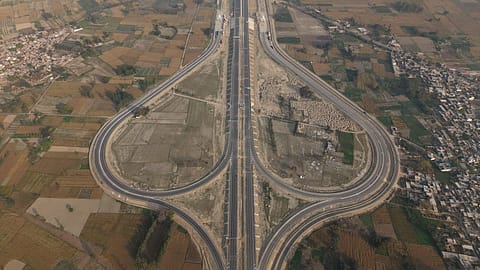
The 594-km corridor is being positioned as a critical infrastructure intervention to improve freight efficiency, lower transit time and strengthen supply chains across northern India | Credits: Adani Group
Adani Group highlights the corridor’s potential to cut freight costs, improve supply chain efficiency and drive large-scale economic gains across Uttar Pradesh.
The ₹36,000 crore Ganga Expressway, which was inaugurated by Prime Minister Narendra Modi today, is expected to help reduce India’s logistics costs towards single digits, with annual savings estimated at ₹25,000–30,000 crore, according to Adani Group. The 594-km corridor is being positioned as a critical infrastructure intervention to improve freight efficiency, lower transit time and strengthen supply chains across northern India.
The project is designed to enhance average vehicle speeds, reduce turnaround time for freight operators and improve reliability across logistics networks. This is expected to lower inventory holding costs and support more efficient, just-in-time supply chains, particularly in sectors such as manufacturing, e-commerce and agro-processing.
Freight efficiency and cost optimisation at the core
With India’s logistics costs currently estimated at around 13–14% of GDP, the expressway is aligned with the broader objective of bringing these costs closer to global benchmarks. Improved transit efficiency and reduced delays are expected to increase freight velocity and optimise supply chain performance.
The corridor is also projected to deliver fuel savings of around 30%, providing a direct cost advantage to transporters while improving overall operational efficiency.
Integrated corridor linking key economic clusters
Beyond cost optimisation, the expressway integrates industrial clusters, agricultural belts, logistics hubs and emerging manufacturing centres across Uttar Pradesh, enabling more seamless movement of goods across regions.
Recommended Stories
Developed under a public-private partnership model by the Uttar Pradesh Expressways Industrial Development Authority, the project also reflects strong private sector participation, with Adani Enterprises Limited executing nearly 80% of the alignment.
According to government estimates cited in the release, the expressway is expected to generate nearly 3 lakh direct and indirect jobs over the next decade while contributing over ₹1 lakh crore to the state’s GDP. By reducing logistics friction and improving supply chain efficiency, the corridor is likely to support sustained industrial expansion and investment.
With benefits expected to extend to over 8 crore people, the project is also seen as a key enabler in unlocking the economic potential of eastern Uttar Pradesh while strengthening its integration with established industrial zones in the west.