The FAQs are AI-generated, and Fortune India is not responsible for its content or any associated copyright issues.
Home-cooked thali costs rise 2% in April as tomato, LPG prices remain elevated: Crisil
/ 2 min read
Tomato prices surged 38% YoY to ₹29 per kg in April from ₹21 a year ago, primarily due to a 3-4% decline in production caused by lower acreage in southern states.
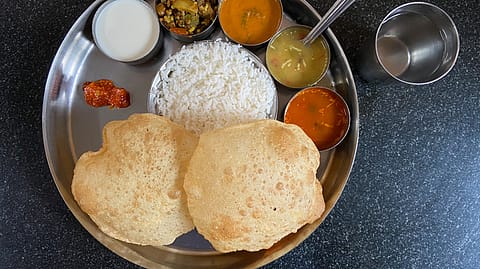
Vegetable oil and LPG cylinder prices also rose 7% each YoY amid ongoing global supply disruptions, further adding pressure on household food expenses. | Credits: Getty Images
The cost of preparing both vegetarian and non-vegetarian thalis at home increased 2% year-on-year in April 2026, driven by higher prices of tomatoes, vegetable oil, and LPG cylinders, according to Crisil’s monthly food plate cost indicator.
Tomato prices surged 38% year-on-year (YoY) to ₹29 per kg in April from ₹21 a year ago, primarily due to a 3-4% decline in production caused by lower acreage in southern states. Vegetable oil and LPG cylinder prices also rose 7% each YoY amid ongoing global supply disruptions, further adding pressure on household food expenses.
However, the rise in thali costs was partially offset by lower prices of onion, potato and pulses. Onion prices declined 16% year-on-year due to excess supply from overlapping late kharif arrivals and the rabi harvest, along with weak export demand, leading to distress sales. Potato prices fell 14% as higher rabi output and liquidation of cold storage stocks improved market availability.
As per Crisil report, pulse prices eased 4% YoY following duty-free imports of tur until March 2027, which are expected to help offset domestic production shortfalls and maintain adequate supply.
The cost of a non-vegetarian thali also rose due to an estimated 2% increase in broiler chicken prices, which account for nearly half the cost of the plate. Crisil attributed the increase to intense summer heat leading to higher bird mortality and tighter supply conditions.
On a month-on-month basis, the cost of a vegetarian thali remained unchanged, while the non-vegetarian thali cost rose 1%. A 4% decline each in onion and potato prices helped contain the rise, although a 3% increase in tomato prices restricted any significant easing.
The monthly increase in non-vegetarian thali cost was also supported by a further 2% rise in broiler prices amid lower supply.
Pushan Sharma said the thali cost indicator captures the impact of food inflation on household spending across regions. “The average cost of preparing a thali at home is calculated based on input prices prevailing in north, south, east and west India. The monthly change reflects the impact on the common man’s expenditure,” Sharma said.
He added that the indicator also highlights the key ingredients — including cereals, pulses, broilers, vegetables, spices, edible oil and cooking gas — driving changes in household food costs.
Frequently Asked Questions
NEXT STORY