
State cash transfers emerge as key cushion for low-income households: Crisil
ADVERTISEMENT
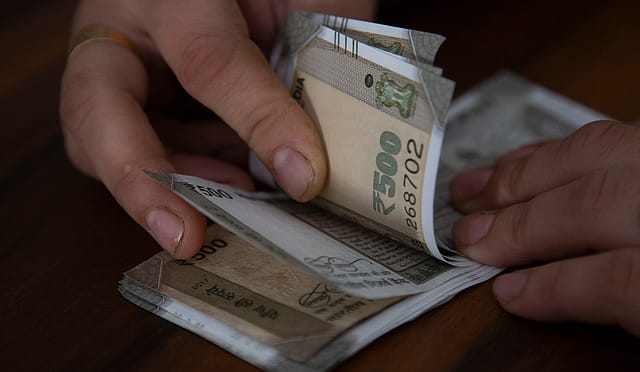
Cash transfers by state governments are increasingly emerging as a crucial buffer for low-income households in India, helping support consumption amid economic uncertainties, according to a report released by Crisil on Tuesday.
The report noted a rapid expansion in such welfare measures, with 17 out of 28 states and the National Capital Territory of Delhi now offering monthly cash transfers in the current fiscal, compared to just four states in 2019.
These transfers, typically targeted at women or farmers, cover a broad demographic across rural and urban areas and are generally based on simple eligibility criteria such as income or landholding.
Support to household budgets
According to the report, a median monthly cash transfer of ₹1,500 can substantially support low-income households. For the bottom 20% consumption segment, such transfers could have covered up to 74% of monthly expenditure in rural areas and 51% in urban areas in 2023–24.
The analysis draws on data from the National Statistical Office’s latest Household Consumption Expenditure Survey (HCES) for 2023–24, comparing median transfer amounts across states with monthly per capita expenditure.
Crisil highlighted that the recurring nature of these transfers, often promised and delivered post-elections, has led to a durable improvement in incomes for economically weaker sections.
Complementing central welfare schemes
State-level cash transfers, when combined with the Centre’s welfare initiatives such as free foodgrain distribution, income support to farmers under PM-Kisan, and rural employment schemes, can help cushion household consumption in the current fiscal year.
This comes at a time when inflationary pressures from elevated energy prices and weather-related risks such as El Niño could weigh on household finances.
The report also pointed to wider positive effects of cash transfers on family welfare. The use of digital public infrastructure has majorly improved the efficiency and reach of such schemes, ensuring better targeting of beneficiaries.
However, the rising scale of cash transfer programmes is also straining state finances. The report flagged increasing debt levels, with gross market borrowings by states rising 15.2% year-on-year to ₹12.4 lakh crore in fiscal 2026, outpacing the Centre’s borrowing growth.
Of the states implementing cash transfer schemes, a majority have seen a sharp rise in borrowings, raising concerns in the bond market.
Short-term relief, long-term challenge
While cash transfers provide an important short-term cushion, Crisil cautioned that sustainable growth in domestic demand will depend on improving income prospects and employment opportunities.
With more than half of India’s states now offering such benefits, cash transfers have become a significant supplementary income source for low-income households, which typically have a high propensity to consume.
The report concluded that how households utilise these funds—whether for consumption, savings, debt repayment, or managing economic stress—will ultimately shape their impact on the broader economy.