
BYD India to hike BEV prices by up to 2% from July 1 amid forex pressure
ADVERTISEMENT
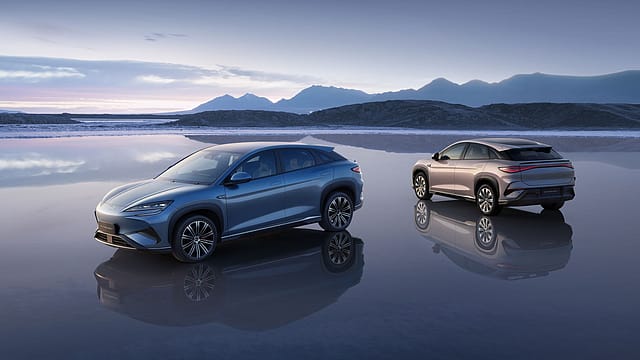
BYD India on Wednesday announced a price increase of 1-2% across its electric passenger vehicle portfolio effective July 1, 2026, citing sustained foreign exchange fluctuations and rising cost pressures in the automotive value chain. The revision will vary depending on the model and variant, the company said in an official statement.
The Chinese new energy vehicle (NEV) major, which currently sells Battery Electric Vehicles (BEVs) such as the BYD ATTO 3 and BYD SEALION 7 in India, said customers booking vehicles in May and June 2026 will continue to benefit from current prices, provided deliveries are completed on or before July 31, 2026. Bookings made from July 1 onward will attract revised prices.
“This price revision is in lieu of foreign exchange fluctuations. Even in a challenging market environment, BYD India remains focused on delivering high-value, advanced, safe, and premium electric mobility solutions to customers,” said Rajeev Chauhan, Head of Electric Passenger Vehicles (EPV) Business at BYD India.
“We continue to see strong market demand for products such as the BYD ATTO 3 and the BYD SEALION 7, reflecting growing confidence in premium electric mobility among Indian consumers,” he added.
Premium EV segment faces cost headwinds
The latest revision comes amid continued pricing actions across the Indian passenger vehicle industry, where automakers have been grappling with elevated commodity prices, imported component costs, currency volatility and logistics expenses.
Over the past year, several carmakers including Maruti Suzuki, Tata Motors, Hyundai Motor India, Mahindra & Mahindra and Kia India have announced multiple price hikes to partially offset rising operational costs and regulatory investments. Luxury and premium EV manufacturers have been particularly exposed due to dependence on imported battery cells, semiconductors and electronic components.
Industry analysts state fluctuations in the rupee against the US dollar and Chinese yuan have increased landed costs for automakers importing critical EV technologies and components into India.
BYD expands India presence amid EV push
BYD India has been steadily expanding its footprint in the country’s premium electric vehicle market. The company currently operates through 48 dealerships across 40 cities and has invested more than $200 million in India through its manufacturing facilities spread across over 140,000 square metres.
The Indian arm of the Shenzhen-based carmaker is also stepping up efforts to locally certify more of its electric vehicles as it looks to overcome import restrictions and scale volumes in the country.
Globally, BYD sold over 4.60 million new energy vehicles in 2025, while in India, the company recorded sales of over 5,400 units during the calendar year, reflecting strong growth in the premium electric vehicle segment