
Delhi EV policy could create 13-14x growth opportunity for electric two-wheelers: ICRA
ADVERTISEMENT
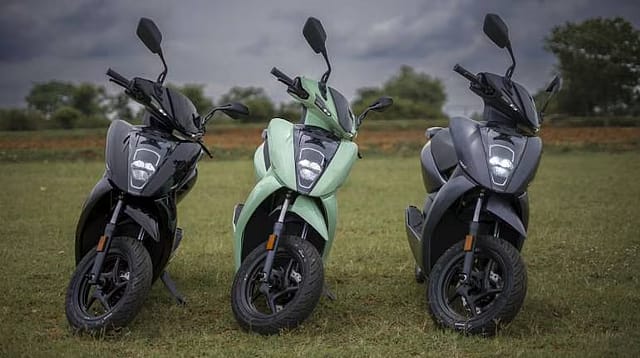
The recently-implemented Delhi’s Electric Vehicle (EV) Policy 2026 could significantly accelerate the adoption of electric mobility by replacing incentive-led adoption with regulatory mandates, creating a multi-fold demand opportunity for electric vehicle manufacturers while posing fresh challenges for internal combustion engine (ICE)-focused players, according to ICRA.
The ratings agency said the policy, effective from July 1, 2026 until March 31, 2030, is among the country’s most interventionist EV frameworks as it combines purchase incentives, scrappage benefits, road tax waivers and mandatory electrification timelines across key vehicle segments. Unlike the previous policy, it restricts new registrations of ICE vehicles in phases, with only electric three-wheelers and light goods carriers eligible for registration from January 2027 and only electric two-wheelers from April 2028.
Multi-fold demand opportunity
ICRA estimates the policy could create a 13-14 times opportunity for electric two-wheelers and a 14-15 times opportunity for electric light commercial vehicles as Delhi moves towards complete electrification of these segments. Electric three-wheelers, where penetration is already relatively high, could still see the market expand around two times, while passenger vehicles are expected to transition more gradually as the policy does not prescribe mandatory electrification targets for the segment.
Delhi already outpaces the national average in EV adoption, with penetration improving to 12.9% in FY2027 year-to-date compared with 9.4% nationally. As passenger vehicles and two-wheelers account for the largest share of vehicle registrations in the capital, ICRA believes the new policy could further widen the gap between Delhi and the rest of the country.
EV ecosystem to benefit
According to ICRA, the policy is a credit positive for EV manufacturers, charging infrastructure providers, battery-swapping operators and EV financiers as it offers long-term regulatory clarity and a defined roadmap for investment. However, the agency cautioned that affordability, limited financing access for small fleet operators, dependence on imported battery cells and critical minerals, and timely expansion of charging infrastructure remain key implementation challenges.
ICRA also noted that Delhi’s framework differs from those of Maharashtra, Tamil Nadu, Karnataka and Gujarat by combining financial incentives with mandatory registration restrictions for ICE vehicles, making it one of the most comprehensive demand-side EV policies introduced by any state so far.