
Indian two-wheeler market hits record 22 million units in FY26; ICRA sees growth slowing to 3–5%
ADVERTISEMENT
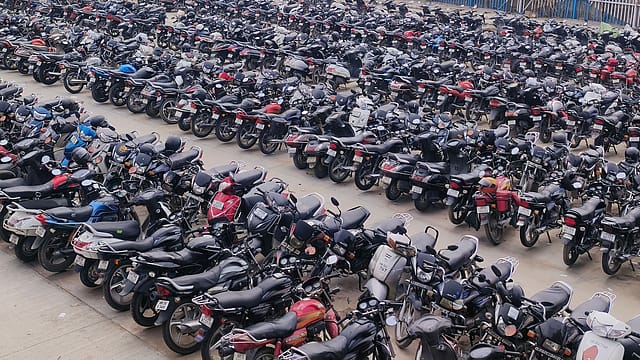
India’s two-wheeler industry scaled a new peak in FY2026, with domestic wholesale volumes touching an all-time high of around 22 million units, according to a report by rating agency ICRA. The strong performance was underpinned by policy support, improving rural demand and a sharp acceleration in the second half of the fiscal.
As per ICRA report, wholesale volumes rose 10.2% year-on-year (YoY) in FY2026, while retail sales grew at a faster clip of about 13%, reflecting robust end-consumer demand. The industry also closed March on a high note, with wholesale volumes expanding nearly 20% YoY and retail volumes surging 28.7%.
H2 momentum offsets muted first half
The growth trajectory in FY2026 was distinctly back-ended. After a modest ~1% YoY expansion in H1, volumes surged 20.3% in the second half, aided by the rollout of GST 2.0 reforms. These measures supported both demand and channel replenishment, particularly in Q3 and Q4, according to ICRA.
Improved rural cash flows, alongside macroeconomic tailwinds such as repo rate cuts and income tax relief, further lifted consumer sentiment. Additionally, a widening product portfolio—spanning entry-level commuters to premium motorcycles—helped manufacturers tap diverse customer segments.
EV penetration rises, exports stay strong
Electric two-wheelers (e2Ws) continued to gain traction during the year. Retail volumes rose 47.4% YoY to 1,92,023 units in March, while full-year volumes grew 21.9%. e2W penetration improved to 9.4% in March, though it remained modest at 3.3% for FY2026 overall, indicating significant headroom for growth.
Exports also remained a key growth lever. Shipments expanded 17.5% YoY in March and recorded a strong 23.3% growth for the full fiscal, supported by expanding product portfolios and rising global acceptance of Indian brands despite demand headwinds in select international markets.
FY27 outlook: Growth to normalise
Looking ahead, ICRA expects growth to moderate to 3–5% YoY in FY2027, primarily due to a high base and concerns over a weak monsoon linked to El Niño, which could weigh on rural demand. However, structural drivers such as GST rationalisation and replacement demand are likely to provide support.
The report also flagged geopolitical risks, noting that ongoing tensions in West Asia could disrupt supply chains and exports, warranting close monitoring by industry players.