
India’s auto sector growth to moderate to 3–5% in FY27 on supply chain disruptions in wake of West Asia crisis: ICRA
ADVERTISEMENT
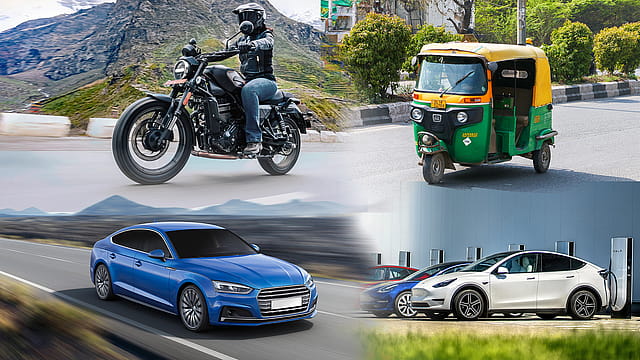
India’s automobile sector is expected to experience a moderation in growth in FY2027, with domestic wholesale volumes projected to expand only 3–5%, according to a report by ICRA. The slowdown follows a strong, policy-driven upcycle in FY2026, which saw wholesale volumes rise 12.5% year-on-year in the first 11 months and retail sales climb 28.9% in March 2026.
While GST rationalisation, improved affordability, and resilient economic activity supported robust demand last year, emerging challenges—particularly supply chain disruptions linked to the West Asia crisis—are likely to weigh on sector growth in the coming fiscal.
CVs and two-wheelers continue momentum, but constraints loom
The commercial vehicle (CV) segment led the FY2026 upcycle, supported by GST rate cuts, higher freight movement, and infrastructure activity. ICRA’s report notes that medium and heavy commercial vehicles (M&HCVs) recorded strong growth, while light commercial vehicles (LCVs) benefited from last-mile logistics and cost efficiencies.
February 2026 CV wholesale volumes jumped 23.8% year-on-year, although there was a slight sequential dip. ICRA now projects CV growth to moderate to 4–6% in FY2027 due to higher financing costs and rising demand for pre-owned vehicles.
The two-wheeler (2W) segment also saw a broad-based recovery, with retail volumes up 11.5% in 11M FY2026, building on 7% growth in FY2025. Recovery drivers include rising rural incomes, improved financing availability, and GST-led affordability gains, particularly following rate cuts for motorcycles below 350 cc. FY2027 growth is projected at 3–5%, reflecting higher base effects and potential inflationary pressures.
Auto component sector and capex to support medium-term outlook
ICRA expects overall PV wholesale volumes to grow around 9% in FY2026, before moderating in FY2027. The auto component sector is projected to expand 7–9%, underpinned by replacement demand, premiumisation, and gradual export recovery. Industry capital expenditure is estimated at ₹28,000–32,000 crore, primarily funded through internal accruals, with selective debt for strategic investments such as battery cell localisation.
While supply-chain disruptions, higher energy costs, rupee volatility, and indirect risks from West Asia-linked exports remain key monitorables, steady replacement cycles, ongoing electrification investments, and improving rural demand are expected to underpin medium-term growth, ICRA concluded.