
Oben Electric eyes 125–150cc ICE motorcycle segment with Rorr EVO rollout at ₹99,999, aims for 3x sales across portfolio by 2030
ADVERTISEMENT
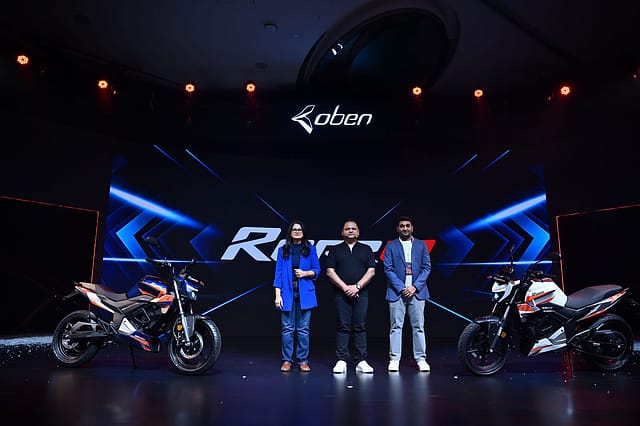
Electric two-wheeler maker Oben Electric on Thursday launched its third electric motorcycle, the Rorr EVO, at an introductory price of ₹99,999 (ex-showroom) for the first 10,000 customers, after which the price will be increased to ₹1,25,000.
Bookings have opened at ₹777, with test rides and deliveries scheduled from June 2026 across its current network of 150 showrooms. The motorcycle offers a claimed top speed of 110 km/h and an IDC-certified range of 180 km, supported by fast charging from 0 to 80% in 90 minutes.
The launch comes as the company sharpens its growth ambitions.
“We are targeting a threefold increase in sales over the coming years, supported by new product introductions and a wider retail footprint,” said Madhumita Agrawal, founder and CEO, speaking to reporters. The company sold about 4,000 units in the last fiscal year.
Product features and manufacturing scale
According to the Bengaluru-based EV startup, the Rorr EVO is powered by a 9 kW motor paired with a lithium iron phosphate (LFP) battery and features an AI-enabled ride mode designed to optimise power delivery based on riding patterns. It also includes a 5-inch TFT display with connected features, along with safety systems such as fall detection alerts and unified braking assist.
The company runs a manufacturing facility in Bengaluru with an annual production capacity of 1 lakh units, which can be scaled up to 3 lakh units.
With its focus on the high-volume commuter segment and an expanding distribution network, the company is positioning itself to compete with internal combustion engine (ICE) motorcycles in one of the most competitive segments of India’s two-wheeler market.
Targeting the ‘deluxe’ commuter segment
Oben Electric said it is positioning the Rorr EVO to tap into the 125cc–150cc category of the petrol-powered motorcycle market—commonly referred to as the ‘deluxe’ segment within the internal combustion engine (ICE) space.
This segment includes high-volume models such as the Bajaj Pulsar 125 (₹85,000–₹95,000), TVS Raider 125 (₹85,000–₹1.05 lakh), and Hero Xtreme 125R (around ₹95,000–₹1 lakh), which are widely seen as a step-up option for commuter buyers seeking higher performance without a significant jump in cost.
“We are focused on the segment that sits between basic commuting and premium motorcycling,” Agrawal said. “Our intent is to build products that deliver on performance and practicality, while offering an electric alternative that can integrate into everyday usage at scale.”
Expansion and product pipeline
As part of its scale-up strategy, the company plans to expand its retail footprint to 350 outlets by the end of the year, up from 150 currently, with presence across metros as well as tier I, II and smaller towns. It already operates in 18 states.
“We are strengthening our distribution in line with demand visibility and will continue to deepen our reach across markets,” Agrawal said.
The company is also building out its product pipeline. It plans to launch another motorcycle later this year, with a sub-₹1 lakh product that will take on entry-level ICE motorcycles such as the Hero Splendor (around ₹75,000–₹85,000 ex-showroom) and Bajaj Discover (approximately ₹70,000–₹85,000, depending on variant), among others.