
PM E-DRIVE extended: Govt pushes E2W subsidies to July 2026 as ₹10,900-crore EV scheme nears 22-lakh sales mark
ADVERTISEMENT
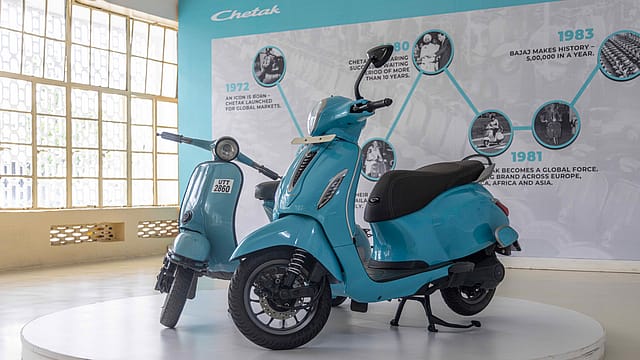
In a calibrated policy tweak, the Ministry of Heavy Industries (MHI) has extended demand incentives for Electric Two-Wheelers (E2Ws) under the PM Electric Drive Revolution in Innovative Vehicle Enhancement (PM E-DRIVE) scheme by four months, pushing the eligibility deadline to July 31, 2026. The move offers a limited window of continued support even as the government steadily tapers subsidies amid rising Electric Vehicle (EV) adoption.
The latest notification also revises timelines for other segments. While incentives for electric rickshaws and carts will now continue until March 31, 2028, the subsidy window for Electric Three-Wheelers (E3Ws)n the L5 category was already closed in December 2025 after achieving its target.
Subsidies trimmed as adoption scales up
To be sure, the extension comes with reduced incentive support. For E2Ws registered between April 1, 2025, and July 31, 2026, subsidies have been halved to ₹2,500 per kWh, capped at ₹5,000 per vehicle, compared with ₹10,000 earlier. A similar rationalisation applies to electric three-wheelers, where incentives have been cut to ₹12,500 per vehicle.
The scheme continues to impose eligibility caps, including a maximum ex-factory price of ₹1.5 lakh for E2Ws and ₹2.5 lakh for electric three-wheelers. Incentives remain linked to either the per kWh rate or 15% of the vehicle cost, whichever is lower.
This recalibration reflects a broader policy shift—from aggressive demand stimulation to gradual withdrawal of fiscal support—as EV penetration gains traction. Industry stakeholders had earlier sought an extension, citing unutilised funds and a still-evolving demand curve in the two-wheeler segment.
₹10,900-crore outlay, utilisation gathers pace
Launched in October 2024, the ₹10,900-crore PM E-DRIVE scheme is a cornerstone of India’s EV transition strategy, spanning vehicle subsidies, public transport electrification, and charging infrastructure. Of the total outlay, ₹3,679 crore is earmarked for direct demand incentives, while ₹4,391 crore is allocated for procuring 14,028 electric buses. Another ₹2,000 crore is set aside for charging infrastructure, alongside ₹780 crore for testing upgrades.
The scheme has already witnessed substantial uptake. As of January 27, 2026, over 22.12 lakh EVs have been sold under the programme, including 19.19 lakh electric two-wheelers and 2.93 lakh electric three-wheelers. Subsidy disbursals have crossed ₹1,700 crore, indicating accelerating fund utilisation.
It may be recalled that the targets under the scheme include supporting 24.79 lakh electric two-wheelers and scaling up charging infrastructure with tens of thousands of chargers across vehicle categories. However, deployment of public charging infrastructure is still in early stages, with operational guidelines issued only recently.
Crucially, the government has reiterated that the scheme is fund-limited. Any segment may be closed ahead of schedule if allocations are exhausted before the March 2028 deadline, as per the notification.