
Tata Motors to hike commercial vehicle prices by up to 1.5% from April
ADVERTISEMENT
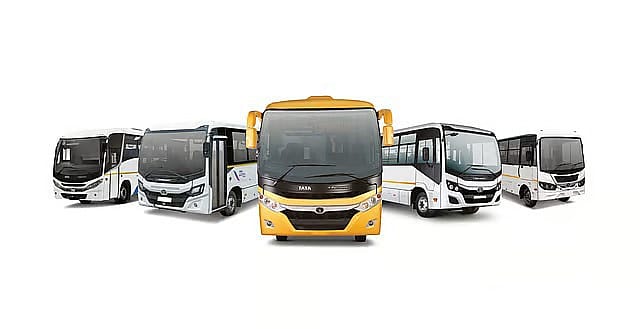
Tata Motors Limited on Monday said it will increase prices of its commercial vehicle (CV) range by up to 1.5% starting April 1, citing sustained pressure from rising commodity prices and higher input costs.
The price adjustment will apply across the company’s portfolio of trucks and buses, though the extent of the increase will vary depending on the model and variant, the automaker said in a statement.
Cost pressures drive price revision
“Tata Motors today announced a price increase of up to 1.5% across its commercial vehicle range, effective 1 April 2026.The price increase is being undertaken to partially offset the impact of rising commodity prices and other input costs. The increase will vary depending on the model and variant,” the Indian automaker said in an official statement.
The move comes as commercial vehicle manufacturers continue to grapple with volatility in raw material prices, including steel and other key inputs, which have pushed up production costs across the automotive supply chain.
Industry likely to follow with similar hikes
The latest revision follows similar pricing actions taken by several automakers over the past year as they navigate persistent input cost inflation while investing in new technologies, electrification and compliance with evolving regulatory norms. Other commercial vehicle makers such as Ashok Leyland, Volvo Eicher Commercial Vehicles (VECV) and Daimler India Commercial Vehicles are also expected to announce similar price hikes in the near term to offset rising costs.
Industry analysts note that such calibrated price revisions have become a common strategy among vehicle manufacturers to protect margins while maintaining competitiveness in a price-sensitive market like India.
“CV makers typically resort to periodic adjustments to balance cost pressures without significantly affecting demand,” stated an auto sector analyst requesting anonymity.
Tata Motors Limited, part of the $180-billion Tata Group, is the country’s largest manufacturer of commercial vehicles, offering a wide range of trucks, buses and utility vehicles that cater to applications ranging from last-mile delivery to heavy-duty logistics and public transport.
The homegrown automaker also has an international footprint spanning markets across Africa, the Middle East, Latin America, Southeast Asia and SAARC, in addition to its core operations in India and South Korea.