
West Asia crisis may hit production, supply chains: Honda Cars India MD & CEO
ADVERTISEMENT
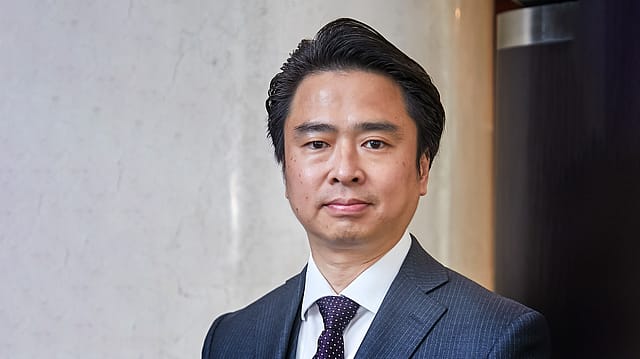
The deepening West Asia crisis is beginning to weigh on global automobile supply chains, with Honda Motor Company’s Indian carmaking arm warning that prolonged geopolitical tensions could disrupt production planning, component sourcing and logistics operations industry-wide.
Honda Cars India Ltd (HCIL) President & CEO Takashi Nakajima said the company is already witnessing early signs of stress across its supplier ecosystem as the conflict impacts shipping routes, vendor operations and supply visibility.
“Not only product supply issues, but also supplier strikes and disruptions are emerging. Honestly, we are facing some reports every day which might affect our production,” said Nakajima in an exclusive interaction with Fortune India.
The comments come at a time when global automakers are once again navigating a volatile external environment marked by rising freight costs, shipping uncertainties across key trade corridors, volatile crude prices and delays in component movement. Several international vehicle manufacturers remain heavily dependent on interconnected supply chains spanning Asia, Europe and the Middle East, making the sector vulnerable to geopolitical disruptions.
The latest concerns have also revived memories of the pandemic-era semiconductor shortages and the Red Sea shipping disruptions that earlier forced several automakers to recalibrate production schedules globally.
Nakajima said Honda is responding through a calibrated “day-by-day, one-by-one” approach to minimise operational disruptions as the company evaluates multiple contingency measures. “We cannot say there is one simple solution. We are trying many things simultaneously,” he said.
The company on Friday launched the new Honda City hybrid at an introductory price of Rs 11.99 lakh and unveiled the premium hybrid SUV ZR-V for the Indian market.
India emerging as a strategic growth market
Even as geopolitical risks intensify, Honda continues to sharpen its India focus. Nakajima said India is now among Honda’s three most important global markets alongside the US and Japan and could eventually emerge as one of the company’s biggest growth drivers.
“Considering future growth, India might become the first or second pillar for Honda globally because the Japanese market is shrinking,” he said.
Honda plans six launches in India during FY27, including the new City and ZR-V, while its first battery electric vehicle for India is scheduled for launch in the second half of the current fiscal.
The company has also confirmed its entry into the high-growth sub-4 metre SUV segment in 2028 as part of its India-focused product strategy.
Hybrid push and premium positioning
Honda said its future India portfolio will include a mix of ICE, hybrid and battery electric vehicles, aligned with India’s evolving multi-technology mobility roadmap.
The ZR-V, which will come to India as a completely built-up unit (CBU) from Japan, is being positioned as a premium brand-building exercise rather than a high-volume play.
“It may not become a game changer because of taxation and pricing, but we want to test how Indian customers respond to premium global Honda products,” Nakajima said.
HCIL is targeting at least 10% sales growth this fiscal despite rising cost pressures and global macroeconomic uncertainties.