
What’s next for India’s auto industry? New SIAM chief Shenu Agarwal maps the road ahead
ADVERTISEMENT
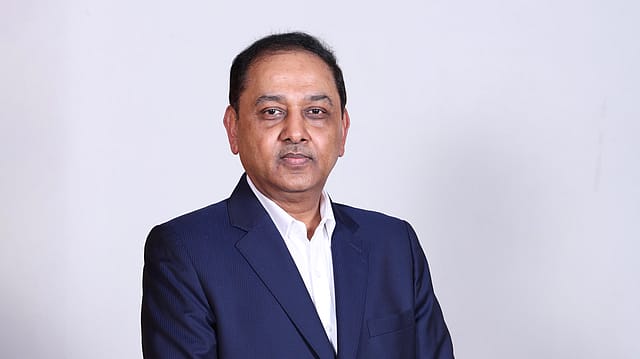
The automotive industry needs a clear five-year roadmap for its transition towards a multi-fuel future, with a sharper focus on technology development, localisation and infrastructure, said Shenu Agarwal, Managing Director and CEO of Ashok Leyland and newly elected president of the Society of Indian Automobile Manufacturers (SIAM).
Agarwal, speaking to the media on the sidelines of SIAM’s 66th Annual Convention in Delhi, said his priority as the industry body’s president would be to bring greater clarity and alignment to the sector rather than change its existing direction.
“The destination is clear,” Agarwal said, referring to the industry’s transition towards multiple powertrain and fuel technologies. However, he said the sector needs greater clarity on the path it should take over the next five years.
Agarwal, who previously served as vice president of SIAM, succeeds Shailesh Chandra, immediate past president of SIAM and Managing Director & CEO of Tata Motors Passenger Vehicles Ltd. He was elected president at the association’s executive committee meeting held today.
According to Agarwal, the commercial vehicle industry will continue to rely on diesel for some time, while CNG and LNG will gain traction and electrification will become increasingly prominent. Hydrogen could also emerge when the technology and ecosystem become conducive.
“Every segment will probably have more than one technology,” he said, adding that the mix would vary depending on the vehicle segment.
Tech adoption, localisation, ecosystem development to be key priorities
Agarwal identified technology acceleration, indigenisation and ecosystem development as key areas for the industry.
The first priority is to accelerate and mature new technologies, he said. The second is to build domestic capabilities across technologies, components and supply chains, while the third is to develop the infrastructure and broader ecosystem required to support the transition.
“The industry needs to map the investments, time and efforts required to develop these technologies and align stakeholders around a longer-term roadmap,” he explained.
The push for localisation is particularly important as the industry moves towards electric, LNG and hydrogen technologies, where imported content remains significantly higher than in conventional diesel-powered commercial vehicles, he said.
Agarwal said the industry needs to ensure that the shift to newer technologies does not create another form of import dependence. Localising batteries, cells, power electronics and other components will therefore be critical as electrification gathers pace.