
Air India to cut int'l flights till July amid jet fuel price surge, airspace curbs
ADVERTISEMENT
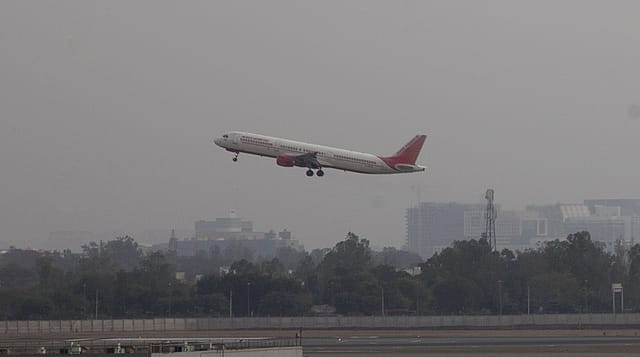
Loss-making Air India will reduce its international flights till July, as the airspace curbs and surge in jet fuel prices have made many routes unprofitable, its CEO and Managing Director Campbell Wilson said on Friday.
"We have reduced some flying for April and May...massive rise in jet fuel prices which, together with airspace closures and longer flying routes, have caused many of our international flights to become unprofitable to operate," he told the staff in a message.
Airspace restrictions in the wake of the West Asia conflict have forced the airline to take longer routes for many international destinations, resulting in increased fuel burn.
Wilson, who has announced plans to step down later this year, said the airspace and jet fuel price situation remains extremely challenging.
The situation leaves the airline with no choice "but to further trim schedules for June and July", he added.
"We very much regret the disruption to our customers' plans and our crew's rosters, and hope that the Middle East situation settles - and the Strait of Hormuz opens - soon so that we can get back to a more normal state," Wilson said.
Air India Group is estimated to have incurred over Rs 22,000 crore losses in the financial year ended March 31, 2026
How much has the jet fuel prices increased by?
The price of Aviation Turbine Fuel (ATF) or jet fuel for international airlines was increased by 5% on Friday, marking the second consecutive monthly hike as oil companies passed on the global rise in energy prices in a calibrated manner. There was no change in ATF prices for domestic airlines.
According to state-owned oil marketing companies, ATF prices for international carriers were raised by $76.55 per kilolitre, or 5.33%, to $1,511.86 per kl in Delhi.
The latest revision follows a sharp increase on April 1, when ATF prices for domestic airlines were raised by 25% to ₹104,927.18 per kl.
Jet fuel prices were deregulated more than two decades ago and have since been linked to benchmark international rates under a pricing arrangement with airlines.
However, with the West Asia conflict triggering a sharp surge in global energy prices, the government and state-run oil firms opted for a calibrated pricing strategy, industry sources said.
Under this approach, foreign airlines and international carriers are being charged market-linked rates, while prices for domestic airlines have been moderated.