
DBS targets ‘emerging affluent’ with Aspire as banks chase mid-premium customers
ADVERTISEMENT
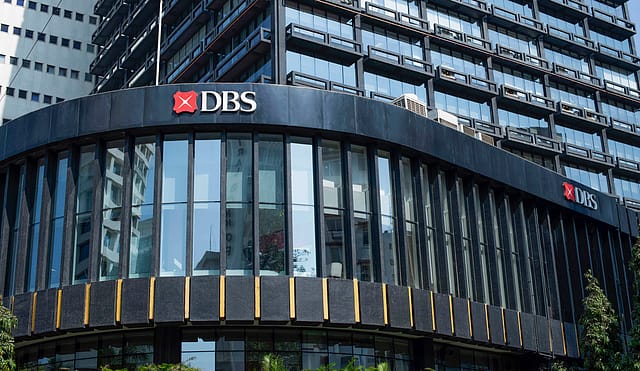
DBS Bank India has launched a new banking proposition aimed at India’s “emerging affluent” segment, indicating a broader shift among lenders to capture customers who fall between mass retail and high-net-worth categories.
The offering, branded DBS Aspire, is targeted at customers with a total relationship value of ₹10 lakh or a minimum monthly balance of ₹2 lakh, positioning the bank as a long-term partner for individuals at an early stage of wealth accumulation.
The move reflects a growing focus on a segment that has traditionally been underserved, with most banking products concentrated either on mass-market customers or premium wealth clients.
“We identified a clear gap in the market… the emerging affluent segment has remained structurally underserved,” said Ambuj Chandna, managing director and head of consumer banking group at DBS Bank India.
Targeting globally mobile customers
DBS is positioning Aspire around the evolving needs of a more globally mobile customer base, including individuals with overseas education, travel and cross-border spending requirements.
Key features include zero forex mark-up on international spends through the Aspire debit card, along with access to a dedicated relationship manager — a service typically reserved for higher-end banking tiers.
The proposition also offers a 5% annual interest rate on savings balances between ₹2 lakh and ₹50 lakh, alongside zero charges on most banking services, as the bank looks to strengthen deposit mobilisation in a competitive environment.
Shift towards relationship-led banking
The launch stresses a broader recalibration in retail banking, where lenders are combining digital platforms with personalised advisory models to deepen engagement with mid-tier customers.
DBS said Aspire will integrate its digital investment platform, allowing customers to access portfolio tools while being supported by relationship managers.
This hybrid approach reflects an industry-wide shift away from purely digital offerings towards “relationship-led” banking, particularly for customers with growing financial complexity.
Banks have increasingly turned their attention to the ₹10 lakh–₹50 lakh segment, which is seen as a key driver of incremental deposits and cross-sell opportunities.
The segment, often comprising salaried professionals and first-generation wealth creators, remains highly value-conscious despite rising incomes, creating demand for a mix of pricing benefits and advisory services.