
Freight rates soften in April amid weaker industrial activity, West Asia crisis: Crisil
ADVERTISEMENT
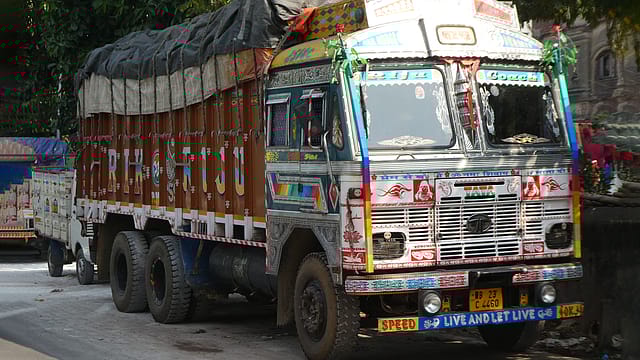
Freight rates across key trucking corridors declined in April 2026 as industrial and manufacturing activity moderated after the year-end dispatch momentum seen in March, according to a Crisil report.
The report said weaker cargo movement from manufacturing hubs and subdued freight availability across industrial supply chains weighed on freight realisations for transport operators. Prolonged uncertainty in global trade flows due to the ongoing West Asia conflict also impacted cargo movement sentiment across the logistics ecosystem.
Crisil noted that higher fleet availability during the month intensified competitive pricing pressure across long-haul freight routes, even as transporters continued to face elevated operating costs, including tyre and maintenance expenses. As a result, operating margins remained under pressure despite softer freight rates.
However, some commodity-linked segments such as auto-carriers and agri-products witnessed relatively stronger freight movement, supported by seasonal demand and healthier cargo activity. Freight rates in these categories remained resilient compared with the broader weakness in the road logistics market.
Moderation in FASTag daily transaction volumes
The report also highlighted a moderation in FASTag daily transaction volumes during the monsoon period, reflecting softer freight movement and lower logistics activity across major corridors. Freight volumes recovered gradually during the third quarter of fiscal 2026 and early fourth quarter, aided by improved cargo movement, festive demand and consumption-led activity following the rollout of GST 2.0.
However, freight indicators weakened again from February onward due to the escalating West Asia conflict and pressure on global supply chains and industrial activity. March witnessed a sharper decline in FASTag transaction volumes, while April showed only marginal sequential recovery, with activity levels still remaining below earlier peak periods.
Fleet utilisation levels also moderated in the early part of fiscal 2026 amid subdued freight demand, softer industrial activity and elevated fleet availability. Utilisation improved in the third quarter after the implementation of GST 2.0 in September 2025, which boosted consumption-linked freight movement across manufacturing and trade sectors.
The recovery strengthened further in the fourth quarter due to seasonal demand and improved cargo dispatches across select commodity segments. However, the West Asia conflict created uncertainty around fuel supply chains, leading to operational disruptions in certain regions, including precautionary fleet idling and localised concerns over diesel availability.
In addition, election-related activity in states such as West Bengal, Tamil Nadu, and Assam temporarily disrupted freight movement across some corridors.
Despite recovery during January and February, fleet utilisation softened again entering April 2026, indicating continued unevenness in freight demand across the road logistics sector.
Rise in fuel prices may impact transporter profitability
Crisil warned that any rise in diesel prices due to the ongoing geopolitical tensions could significantly impact transporter profitability, as fuel accounts for nearly 50-60% of operating costs for fleet operators.
According to the report, every ₹5 per litre increase in diesel prices may require freight rate hikes of around 2.5-2.8% to maintain baseline profitability and operational viability for transporters.
“The ability of transporters to implement timely freight rate pass-throughs will remain critical, particularly for small and mid-sized fleet operators functioning on structurally thin margins,” the report said. It added that any simultaneous increase in driver wages, toll charges, maintenance and tyre costs could further raise the need for freight rate revisions across the sector.