
Govt cuts excise duty on petrol, removes levy on diesel amid crude price surge
ADVERTISEMENT
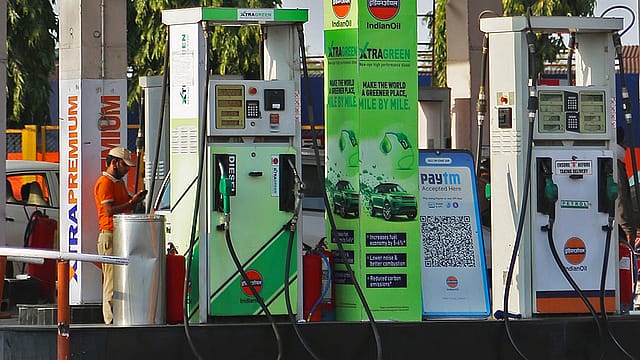
The government has sharply reduced excise duty on petrol to ₹3 per litre and fully exempted diesel from the levy, in a bid to cushion oil marketing companies from surging global crude prices triggered by the ongoing conflict in West Asia.
In a notification dated March 26, the Finance Ministry cut excise duty on petrol from ₹13 per litre to ₹3 per litre while reducing the duty on diesel from ₹10 per litre to nil. The revised rates have come into effect immediately.
Retail fuel prices frozen despite global rally
Domestic fuel retailers have been under mounting financial stress as retail prices of petrol and diesel have remained unchanged, even as international oil prices have surged nearly 50% since February 28, following military strikes by the U.S. and Israel on Iran and subsequent escalation in the region.
Global crude prices had touched $119 per barrel earlier this month before easing to around $100 per barrel.
Union Petroleum and Natural Gas Minister Hardeep Singh Puri said on his X handle, "International crude prices have gone through the roof in the last 1 month from around 70 dollars/barrel to around 122 dollars/barrel. Consequently, petrol and diesel prices for consumers have gone up all over the world. Prices have increased by around 30%-50% in South East Asian countries, 30% in North American countries, 20% in Europe and 50% in African countries."
Puri wrote, "Government has taken a huge hit on it taxation revenues to ensure very high losses of oil companies (approximately 24 Rs/litre for petrol and 30 Rs/litre for diesel) at this time of sky high international prices are reduced. At the same time, export tax has been levied as international prices of petrol and diesel have skyrocketed and any refinery exporting to foreign nations will have to pay export tax."
Supply disruptions via Strait of Hormuz add to concerns
India, which imports nearly 88% of its crude oil and about half of its natural gas needs, remains heavily exposed to supply routes through the Strait of Hormuz.
With the conflict intensifying, Iran has blocked the key shipping route while insurers have withdrawn coverage, effectively halting tanker movements and worsening supply uncertainties.
Madhavi Arora, Chief Economist at Emkay Global Financial Services, said the government’s ₹10-per-litre cut in special excise duty on both petrol and diesel would absorb 30–40% of the annualised losses of oil marketing companies on auto fuels at current prices. She estimated the annualised fiscal impact on the government at around ₹1.55 lakh crore due to this burden sharing.
Private companies begin price hikes; PSU retailers hold steady
Amid rising input costs, Nayara Energy has started passing on part of the burden to consumers. Petrol at its outlets is now priced at ₹100.71 per litre, while diesel costs ₹91.31 per litre.
In contrast, Jio-bp has so far refrained from increasing prices, despite incurring significant losses.
State-owned fuel retailers such as Indian Oil Corporation Ltd., Bharat Petroleum Corporation Ltd., and Hindustan Petroleum Corporation Ltd.—which together control nearly 90% of the market—continue to keep retail prices unchanged. In the national capital, petrol continues to be priced at ₹94.77 per litre, while diesel is retailing at ₹87.67 per litre, reflecting the continued price freeze despite global volatility.