
India should look at 100% ethanol blending as West Asia crisis exposes energy import risks, says Nitin Gadkari
ADVERTISEMENT
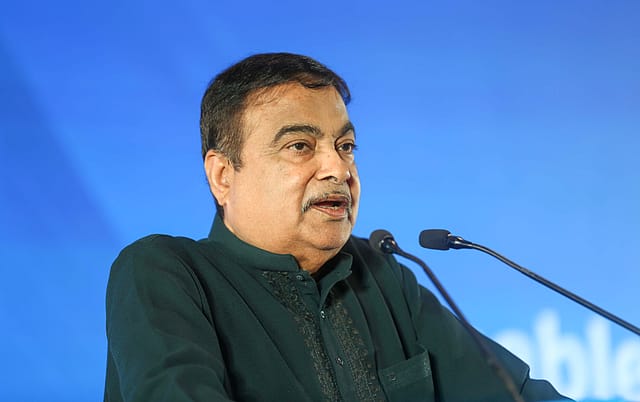
India should target 100% ethanol blending in petrol in the near future as global energy disruptions and heavy import dependence make self-reliance in fuels increasingly critical, Road Transport and Highways Minister Nitin Gadkari said on Tuesday.
Speaking at the Indian Federation of Green Energy’s Green Transport Conclave, Gadkari said the ongoing instability in West Asia has underscored the fragility of global oil supply chains. He noted that geopolitical risks in the region directly impact energy-importing economies like India, making diversification of fuel sources a strategic imperative.
Import dependence and energy security concerns intensify
Notably, India currently imports about 87% of its crude oil requirements, leading to an annual import bill of nearly ₹22 lakh crore. Gadkari said this dependence not only exposes the economy to external shocks but also adds to environmental stress due to fossil fuel usage.
He pointed out that India has already moved to 20% ethanol blending (E20), introduced in 2023, with most vehicles capable of running on it with minor engine modifications. He also cited Brazil as a successful example of full ethanol adoption at scale, strengthening the case for higher blending targets in India.
Green Hydrogen and circular economy in focus
Gadkari said green hydrogen remains a key pillar of India’s long-term clean energy roadmap, but stressed that cost and logistics challenges must be addressed. He said bringing hydrogen production costs down to around $1 per kg would be essential for making India globally competitive in the sector.
He also highlighted the potential of producing hydrogen from waste and expanding circular economy models, which could simultaneously support sustainability goals and job creation.
While advocating a gradual shift away from petrol and diesel, the minister said consumer choice cannot be forced. He added that innovation, affordability, and quality improvements in the automotive sector will ultimately determine the pace of India’s transition towards cleaner mobility.
Notably, India’s ethanol blending programme has expanded steadily over the past decade as part of efforts to reduce crude oil imports and improve energy security. Ethanol in India is primarily produced from sugarcane-based feedstocks such as sugarcane juice, molasses and sugar syrup, while grain-based ethanol from maize and damaged food grains has also gained importance in recent years.