
Iran war impact: Policy think tank calls for gradual increase in petrol, diesel price as status quo to have significant fiscal cost
ADVERTISEMENT
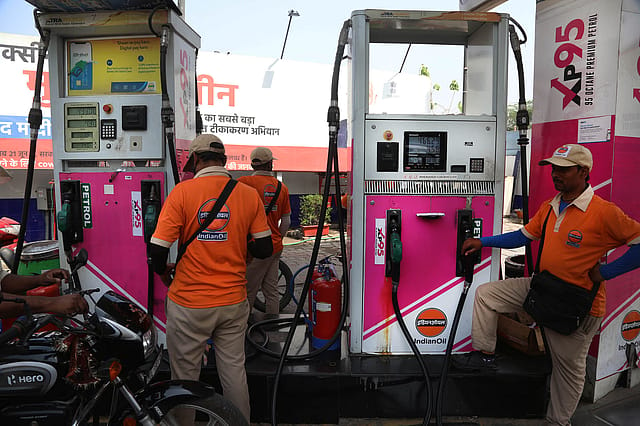
Policy think tank Indian Council for Research on International Economic Relations (ICRIER) has said in a report that not increasing fuel prices (petrol, diesel, and LPG) will lead to significant fiscal costs and maintaining current prices will become unsustainable if the high crude oil prices persist in the wake of the West Asia crisis. The think tank has suggested gradual pass through of the prices to the consumers.
Stating that holding on to the current prices of fuel is “regressive” and “disproportionately benefits” the higher income households, the policy advocacy body called for a three-pronged approach to tide over the crisis.
“Given India’s heavy reliance on imported energy, maintaining current petroleum prices is increasingly difficult to sustain. The fiscal costs of maintaining current policy are at least 0.6 per cent of GDP annually, which would divert scarce budgetary resources from development priorities and, if financed through borrowing, contribute to rising public debt. The policy is also regressive, as the primary beneficiaries of petroleum subsidies, especially petrol users, tend to be higher-income households,” it said.
What does the report say on current account deficit, rupee?
The report said persistently high import volumes at elevated global prices would widen the current account deficit, placing additional pressure on the rupee.
Moreover, this approach sits uneasily alongside efforts to accelerate the transition to cleaner and more sustainable energy sources.
What should the government do?
The report also discussed the measures the government could take in the face of the ongoing crisis. “A gradual and well-communicated move toward greater pass-through of international prices, combined with targeted support for vulnerable households, particularly those reliant on LPG, would help reduce fiscal risks while preserving social protection,” it said.
“The current crisis also underscores the importance of accelerating structural reforms to reduce dependence on imported oil, as well as taking steps to build up petroleum reserves and diversify petroleum supplies,” it added.
The report said the limited availability of LPG has raised the cost of living for the urban poor and contributed to job losses in the service sector reliant on affordable energy. “Higher oil prices erode household purchasing power when incomes do not keep pace and increase transportation costs across the economy. In the current context, supply disruptions have also affected the availability of fertilizers, which could weigh on agricultural output in the upcoming planting season. In addition, shortages of other petroleum-based inputs are likely to push up the prices of several essential goods,” it added.