
Govt mandates shift to PNG; LPG supply to stop in pipeline-connected areas after 3 months
ADVERTISEMENT
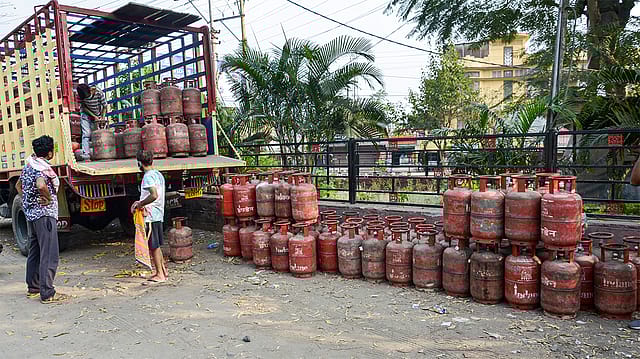
In a major push to expand the city gas distribution network, the Centre has mandated that LPG supply to households will be discontinued if consumers fail to switch to piped natural gas (PNG) in areas where such connectivity is available.
The move comes as India faces an LPG supply crunch due to disruptions in West Asia, prompting authorities to accelerate the transition to PNG, considered a more reliable and diversified fuel alternative.
LPG supply to cease if PNG not adopted
Under the Natural Gas and Petroleum Products Distribution Order, 2026, notified by the Ministry of Petroleum and Natural Gas on March 24, LPG supply to households “shall cease after three months” if consumers do not opt for PNG despite availability.
However, the order provides relief in cases where PNG connectivity is “technically infeasible,” allowing continued LPG supply subject to a no-objection certificate (NOC) issued by the authorised entity.
The policy is aimed at reallocating LPG supplies from pipeline-connected urban areas to regions lacking such infrastructure, while promoting fuel diversification amid global supply disruptions, including issues in Gulf liquefaction facilities and the Strait of Hormuz.
Push for infrastructure, faster approvals
Issued under the Essential Commodities Act, the order seeks to fast-track pipeline infrastructure by simplifying approvals, standardising charges, and enforcing time-bound clearances.
Public authorities are required to grant right-of-way permissions within prescribed timelines, failing which approvals will be deemed granted. The order also prohibits levying charges beyond those specified.
In residential complexes, entities controlling access must grant permissions within three working days while last-mile PNG connections are to be provided within 48 hours. Applications for pipeline connectivity cannot be rejected in such areas.
Strict timelines, penalties for delays
Authorised entities must begin pipeline laying within four months of receiving approval, failing which penalties, including potential loss of exclusivity, may be imposed. The order also empowers designated officers with quasi-judicial authority to resolve disputes over land access and grant right-of-way permissions where required.
The Petroleum and Natural Gas Regulatory Board has been designated as the nodal agency to monitor implementation, including tracking approvals, compliance, and rejections.
Oil Secretary Neeraj Mittal described the move as turning “a crisis into an opportunity,” highlighting reforms aimed at improving ease of doing business and strengthening energy resilience.
The order reiterates that LPG supply will be discontinued three months after households are notified of PNG availability. However, supply will continue if an authorised entity certifies that providing a piped connection is not technically feasible, with such exemptions subject to periodic review.