
Retail space demand steady at 4.3 million sq. ft in H2 2025: Anarock
ADVERTISEMENT
India’s retail real estate sector is undergoing a structural transformation, with the focus shifting from transactional formats to experience-led, engagement-driven spaces, according to a new report by Anarock Group.
The report, RELEAP 2026, highlights how evolving consumer expectations are reshaping the organised retail landscape, prompting brands and developers to prioritise immersive experiences over traditional metrics such as store size and rentals.
Retail leasing activity remained resilient in the second half of 2025, with total absorption across the top cities estimated at 4.3 million sq. ft. This steady momentum reflects continued retailer confidence in brick-and-mortar expansion despite a dynamic macroeconomic environment.
“India's retail real estate story is entering its most exciting phase,” said Anuj Kejriwal, CEO, Retail and CEO, EMEA at Anarock Group, noting that physical retail is increasingly being driven by experiences that cannot be replicated online.
The report, which tracks trends across the top seven cities, points to a sector that is not only expanding but also becoming more mature and diversified in its demand patterns.
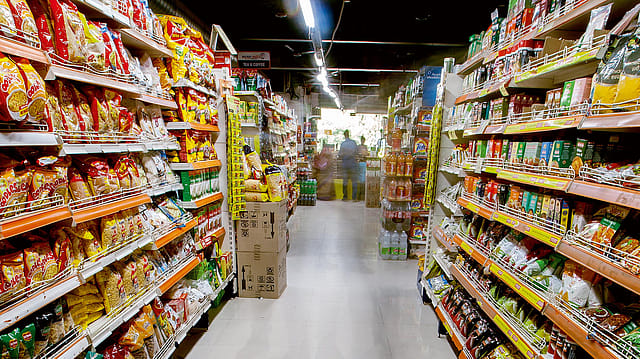
Demand during the period was led by apparel, followed by entertainment, hypermarkets and supermarkets, and food and beverages. These segments dominated leasing activity, underlining a clear shift towards spaces that combine shopping with leisure and social engagement.
Mid-sized store formats ranging between 1,000 and 5,000 sq. ft continued to account for the bulk of transactions, emerging as a preferred choice for retailers seeking scalable and cost-efficient expansion.
On the supply side, the development pipeline remains robust, with Delhi-NCR and Hyderabad together contributing nearly 70% of upcoming retail supply. This concentration reflects strong developer confidence in these high-growth markets and their capacity to absorb new inventory.
The report also notes a broader pivot towards destination-driven developments, including mixed-use projects that integrate retail with entertainment, dining, and wellness offerings.
Demand trends varied significantly across cities. NCR and Mumbai Metropolitan Region (MMR) saw strong traction in apparel and entertainment-led leasing, driven by high footfall and aspirational consumption. Hyderabad and Bengaluru, on the other hand, witnessed increased demand from anchor categories such as hypermarkets and family entertainment centres, reflecting the rise of community-centric retail. Chennai continued to see steady demand in discretionary segments like apparel and jewellery.
The findings underscore that India’s retail market remains highly diverse, with city-specific dynamics shaping leasing strategies and consumer engagement models.
High-street retail also gained momentum during the period, with several key micro-markets witnessing rental appreciation amid strong demand. Limited availability in premium malls has pushed brands—particularly in fashion, luxury, and food and beverages—to explore high streets as an alternative expansion route.
While rentals in Grade A malls remained largely stable, growth was concentrated in top-performing assets, indicating increasing pressure on other malls to differentiate through tenant mix and experiential offerings.
Looking ahead, the report suggests that India’s retail real estate sector is well-positioned for sustained growth. A strong pipeline of institutional-grade developments, coupled with rising consumption, a growing middle class, and the continued evolution of organised retail, is expected to drive long-term expansion.