
SC flags ₹40,000–45,000 crore Sona Estate dispute as ‘long-drawn’, pushes mediation in Kapur family battle
ADVERTISEMENT
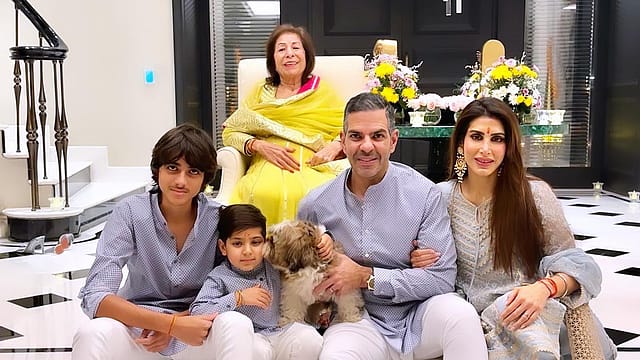
The Supreme Court on Monday (April 27, 2026) nudged litigants Rani Kapur and her daughter-in-law Priya Kapur to explore mediation in a bitter inheritance dispute over the Sona Group estate—estimated to be worth ₹40,000–45,000 crore—warning that prolonged litigation could drag on for years with limited gains for either side.
A Bench led by Justice J.B. Pardiwala, also comprising Justice Vijay Bishnoi, observed during the hearing that the dispute risked becoming a “long-drawn litigation,” particularly given the scale of the assets and competing claims.
Addressing lawyers representing the parties, the court said an amicable resolution would be more pragmatic, especially considering that petitioner Rani Kapur is 80 years old. “It would be in the interest of the parties if they go for mediation and decide the issue peacefully,” the Bench said, while clarifying that it would examine the matter on merits if required.
The court issued notice to Priya Kapur and sought responses to the allegations raised in the petition. The matter has been listed for further hearing next week.
Battle for control of a multi-crore industrial legacy
The dispute arises from a civil suit filed by petitioner Rani Kapur challenging the creation of the Rani Kapur Family Trust, which she alleges was used to divest her of control over substantial family assets, including stakes in Sona Group companies. The group’s listed flagship, Sona BLW Precision Forgings, along with other holdings, anchors the estimated ₹40,000–45,000 crore valuation at the centre of the dispute.
Senior Advocate Shyam Divan, appearing for Rani Kapur, argued that in disputes involving “vast estates and huge contestations,” courts typically grant protective relief at the threshold to prevent dissipation of assets. The plea seeks a status quo on movable and immovable properties linked to the trust, citing apprehensions that assets could be diverted during the pendency of proceedings.
Supporting the petitioner’s position, Senior Advocates Madhavi Divan and Naveen Pahwa, appearing for other family members including certain grandchildren, submitted that they had effectively been excluded from the estate.
Allegations of coercion, asset transfer under scrutiny
According to the petition and submissions made by her legal team, Rani Kapur has alleged that the trust structure was put in place without her informed consent. The pleadings claim that following a stroke in 2017, she was made to sign multiple documents—including allegedly blank papers—under the pretext of routine administrative processes. These documents, it is contended, were later used to transfer her assets into the family trust.
The dispute escalated after the death of her son, industrialist Sunjay Kapur, in June last year. As per the petitioner’s counsel, Priya Kapur subsequently assumed control of key Sona Group entities, leading to a redistribution of assets that allegedly left Rani Kapur without any effective stake.
While the Bench did not pass any interim order on asset protection at this stage, it emphasised that mediation could offer a faster and more equitable resolution than protracted litigation. Observations made during the hearing—based on submissions by advocates and litigants—indicate the court’s preference to first explore reconciliation before proceeding with a detailed merits hearing.