
WEF President Børge Brende resigns amid Epstein controversy, spotlight on governance and global business strategy
ADVERTISEMENT
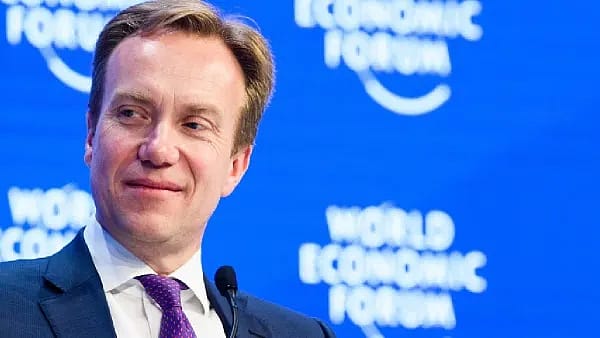
Børge Brende, President and CEO of the World Economic Forum (WEF), has resigned following media scrutiny over his past contacts with Jeffrey Epstein, multiple reports confirmed on Thursday. The decision follows documents showing Brende attended business dinners and exchanged communications with Epstein — interactions he says occurred without knowledge of Epstein’s background.
Leadership statement and interim appointment
Brende, a Norwegian diplomat and former foreign minister who led the WEF since 2017, framed his resignation as necessary to prevent distraction from the Forum’s mission of fostering global economic cooperation. In his statement, he called his tenure “profoundly rewarding” and said stepping down would allow the Forum to continue “without distractions,” without directly mentioning Epstein.
WEF co-chairs Andre Hoffmann and Larry Fink said an independent external review found no additional concerns beyond previously disclosed interactions. They appointed Alois Zwinggi, a managing board member, as interim president and CEO while the Board of Trustees begins the search for a permanent successor.
WEF’s role in global economic governance
Founded in 1971 by Klaus Schwab as a not-for-profit foundation, the WEF has become one of the most influential platforms for global economic dialogue, bringing together CEOs, finance ministers, heads of state, and industry leaders to shape cooperation on trade, technology, and sustainable growth. Its governance structure combines public-private collaboration, with the Board of Trustees and Managing Board — chaired by the president and CEO — tasked with upholding legitimacy, accountability, and transparency.
Business implications of the leadership transition
Brende’s resignation comes at a critical juncture: global markets are navigating inflationary pressures, supply-chain recalibrations, and an accelerating shift toward artificial intelligence and green energy investments — all major themes at the WEF’s Davos gatherings.
The Forum’s sessions on sustainability, digital transformation, and cross-border regulatory standards influence corporate strategies and capital allocation worldwide. For companies leveraging the Forum to set industry benchmarks or forge partnerships, the leadership change underscores the necessity of robust governance and ethical oversight to maintain trust and credibility in a complex global economic environment.