
ATF stabilisation fund offers relief, airline participation key monitorable: ICRA
ADVERTISEMENT
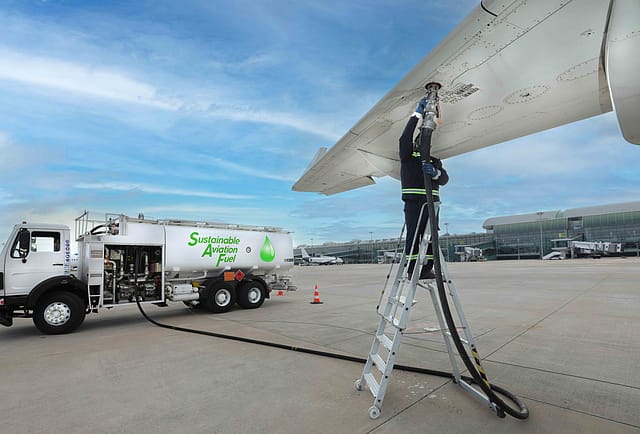
The Centre’s ₹10,000 crore aviation turbine fuel (ATF) price stabilisation fund is likely to provide near-term relief to Indian carriers facing elevated fuel costs and global oil price volatility, even as its effectiveness will ultimately depend on how widely airlines choose to participate in the scheme.
The mechanism, aimed at cushioning airlines from sharp swings in jet fuel prices triggered by the ongoing West Asia crisis, is expected to improve cost visibility and support operational stability in the sector.
Fuel costs remain dominant pressure point
ATF accounts for nearly 40% of airline operating costs and can rise to as much as 60% during periods of extreme volatility, according to ICRA. The fund, therefore, comes at a time when carriers continue to operate under sustained margin pressure from high fuel prices and intense competition.
“The Government of India’s approval of the ATF price stabilisation fund represents a timely intervention aimed at cushioning airlines from extreme fuel price volatility,” said Ms Kinjal Shah, Senior Vice President and Co-Group Head, Corporate Sector Ratings, ICRA Limited.
She added that the scheme provides one-time budgetary support of up to ₹10,000 crore to oil marketing companies (OMCs) through interest-free advances, enabling them to offer more stable ATF pricing to scheduled Indian carriers for a period of 36 months, subject to annual review.
Demand visibility, fare stability in focus
By smoothing out sharp fluctuations in international fuel prices, the mechanism is expected to reduce cost unpredictability for airlines and, in turn, help moderate fare volatility. This could also provide some support to passenger demand, which remains sensitive to price swings, ICRA noted.
The agency said the measure could improve cost visibility for airlines at a time when profitability remains constrained, while also reducing the risk of abrupt capacity cuts or network rationalisation seen in recent months due to elevated fuel costs.
Temporary buffer, uptake critical to outcomes
However, ICRA cautioned that the scheme is a temporary stabilisation buffer and its overall impact will depend on airline participation levels and the extent to which carriers opt for a fixed-price arrangement over a three-year period.
It added that the quantum of ATF exposure airlines choose to hedge through the mechanism will be closely watched, making uptake a key monitorable for the sector going forward.
The government has structured the fund as a self-sustaining mechanism routed through interest-free advances to OMCs, aimed at compensating them for losses when import parity prices exceed benchmark levels, with recovery built in when prices moderate.
“Whether airlines would want to participate in this fixed price arrangement for a period of three years and the quantum of the ATF requirement they are willing to hedge through this mechanism will remain monitorable,” ICRA