
Economists expect RBI to keep benchmark rates unchanged as MPC meeting begins
ADVERTISEMENT
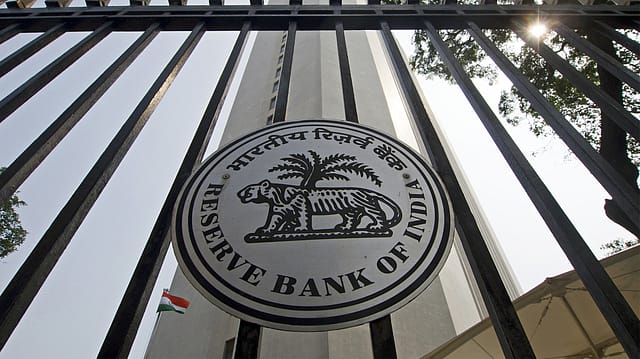
The Reserve Bank of India's Monetary Policy Committee (MPC) began its three-day meeting on Wednesday, with economists and industry leaders largely expecting the central bank to leave benchmark interest rates unchanged despite mounting geopolitical tensions, elevated crude oil prices and concerns over imported inflation.
The policy decision, to be announced by RBI Governor Sanjay Malhotra on Friday, comes at a time when the economy is facing fresh uncertainties arising from the prolonged conflict in West Asia. Rising energy prices, supply chain disruptions and pressure on the rupee have increased concerns over inflation, while growth risks remain a key consideration for policymakers.
Most experts believe the central bank will refrain from tightening monetary policy as inflation continues to remain within its target range and supply-side factors are driving the latest price pressures.
Inflation concerns, growth risks
Gaura Sen Gupta, Chief Economist at IDFC FIRST Bank, said the RBI is expected to remain on pause as inflation remains within the inflation-targeting band.
"We expect RBI to stay on pause as inflation remains within the inflation-targeting band. Moreover, there is downside risk to growth due to the surge in input costs," Gupta said.
She noted that the RBI's flexible inflation-targeting framework gives it room to look through the immediate impact of rising fuel prices while remaining alert to any broader inflationary effects.
According to Gupta, the central bank's communication is likely to remain cautious, with policymakers signalling readiness to act if higher energy costs begin feeding into broader inflation. She also stressed the need for measures to attract capital inflows should the West Asia crisis persist and exert pressure on foreign exchange reserves.
Real estate sector seeks policy stability
Industry executives, particularly from the real estate sector, have welcomed expectations of a stable rate environment.
Shishir Baijal, Chairman and Managing Director of Knight Frank India, said much of the current inflationary pressure stems from supply-side factors such as higher crude oil prices, geopolitical tensions and climate-related disruptions, which are beyond the influence of monetary policy.
"Raising rates in response to such shocks could impose unnecessary costs on economic growth without materially easing inflation," Baijal said, adding that stable borrowing costs are essential to support housing demand and investment activity.
Echoing similar views, Ramani Sastri, Chairman and Managing Director of Sterling Developers, said a supportive monetary policy stance would help sustain homebuyer confidence and support the real estate sector's growth momentum.
Market participants will also closely watch the RBI's updated inflation and GDP projections, along with its assessment of the rupee and external sector risks, for clues on the future policy trajectory amid a volatile global environment.